Quick Summary
Choosing the right smart thermostat can transform your home into an energy-efficient, comfortable, and fully automated space. This guide explores different types of smart thermostats, key features to consider, installation tips, expert insights, and how to select the best model for your HVAC system.
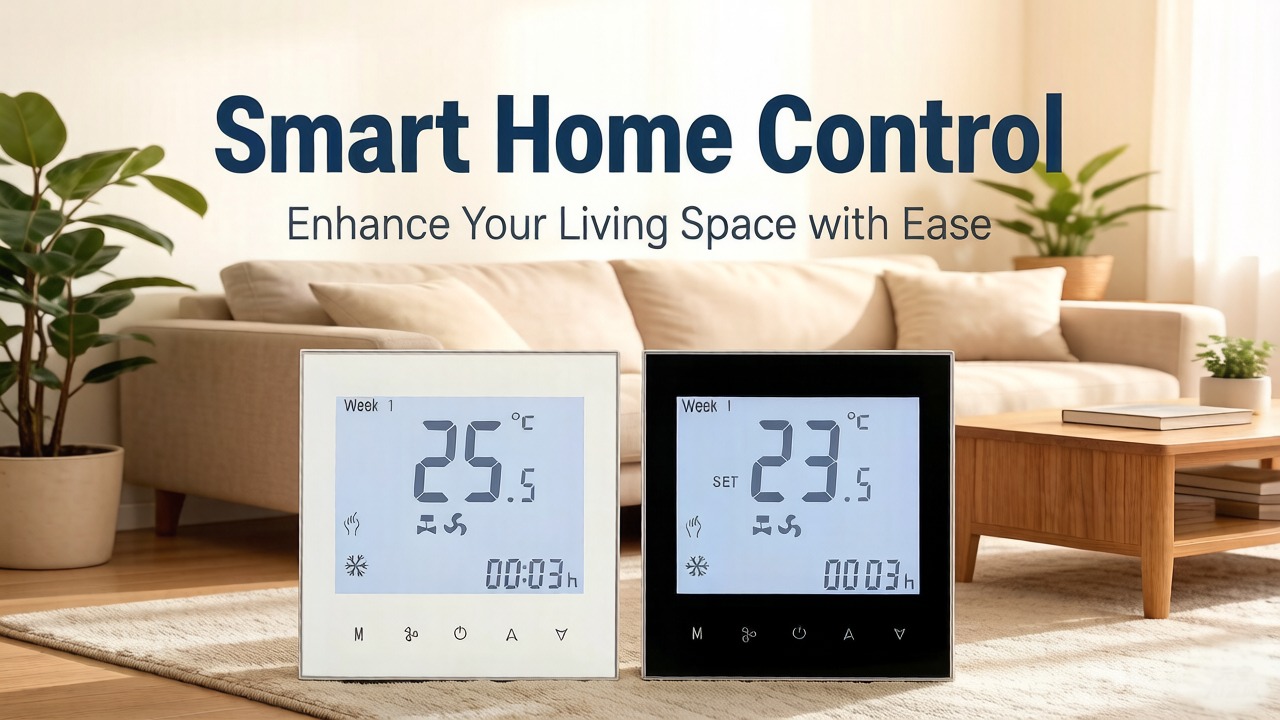
Why a Smart Thermostat is a Must-Have for Modern Homes
Smart thermostats are more than temperature controllers—they are essential tools for energy efficiency, convenience, and home automation.
Energy Savings and Efficiency
A high-quality smart thermostat can learn your daily schedule, adjust temperatures automatically, and detect when no one is home. Advanced models include eco-mode, adaptive scheduling, and energy reports, which allow homeowners to track and reduce electricity usage effectively. Homes with varying schedules, such as remote workers or families with children, benefit the most. For instance, a homeowner working from home may lower heating in unused rooms, optimizing energy consumption without compromising comfort.
Home Automation Integration
Most Wi-Fi thermostats integrate with Alexa, Google Home, or HomeKit, enabling routines such as adjusting the temperature when you arrive home or linking it to other devices like smart blinds. Automation can also trigger seasonal temperature adjustments based on local weather forecasts, further improving efficiency and convenience.
Expert Insight #1 – John Harris, HVAC Consultant:
“Many homeowners underestimate how much energy they waste with a manual thermostat. Installing a smart thermostat can reduce heating and cooling bills by 15–25% if properly programmed. For example, clients with older forced-air systems have saved hundreds annually by using schedules and remote control features.”
Additional Tip: Always combine a smart thermostat with proper insulation, sealed windows, and efficient HVAC filters to maximize energy savings.
Different Types of Smart Thermostats
- Wi-Fi Thermostats – Remote control via smartphone or tablet. Ideal for users with changing schedules, allowing temperature adjustments from anywhere. Some models also provide usage insights and notifications for unusual energy consumption.
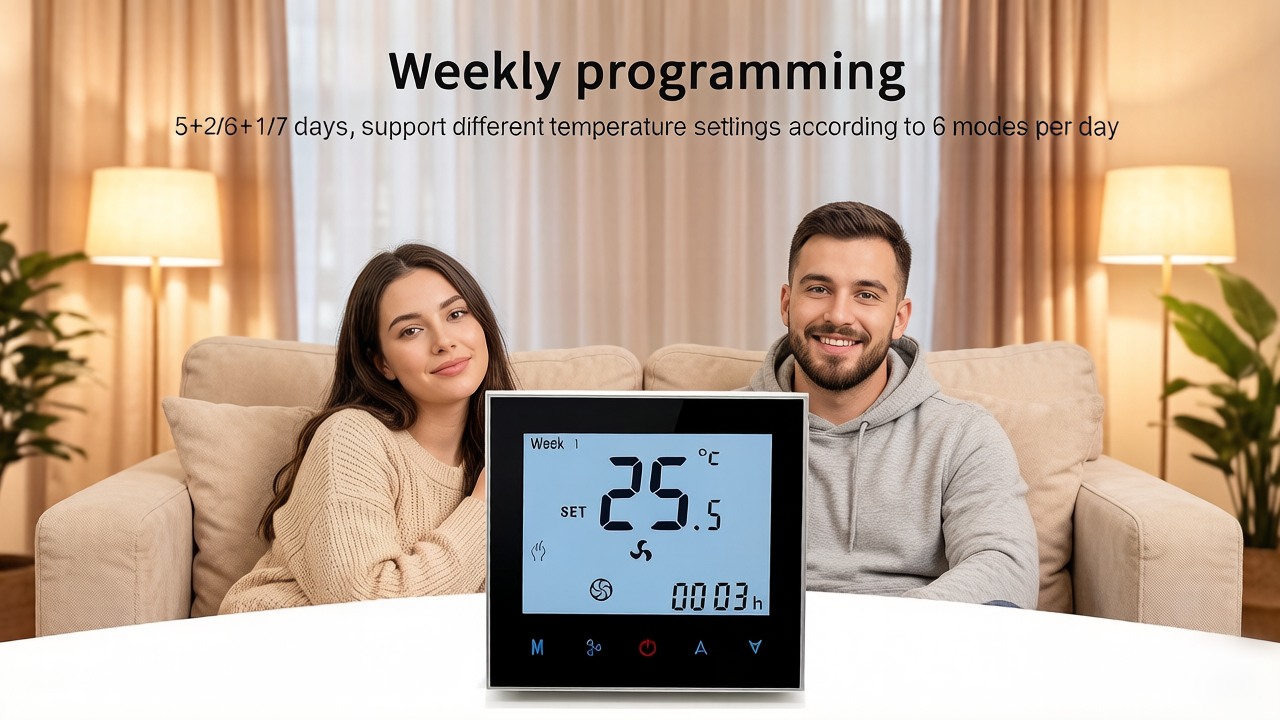
- Programmable Smart Thermostats – Schedule-based control, perfect for families with consistent daily routines. Many models allow multiple schedules per day, per weekday, and customizable temperature ranges for energy optimization.
- Learning Thermostats – AI-driven, adapting to your habits over time. These thermostats optimize energy usage without manual input and provide weekly or monthly energy reports, helping homeowners monitor performance and savings.
Expert Insight #2 – Dr. Emily Chen, Smart Home Researcher:
“Learning thermostats adapt over time and optimize energy consumption without constant input. For instance, a multi-zone home can have separate schedules for bedrooms, living areas, and offices, preventing energy waste in unoccupied rooms. These models are ideal for families or homes with irregular routines, ensuring energy is used efficiently throughout the house.”
Additional Tip: When choosing between types, consider household size, routine variability, and whether you prefer manual or automated adjustments.
Key Features to Look For
- Energy-efficient operation: Eco-mode, adaptive scheduling, and real-time energy usage monitoring are crucial for reducing utility costs and identifying inefficient habits.
- HVAC compatibility: Ensure support for heat pumps, radiators, forced-air systems, or multi-zone HVAC setups. Some advanced systems require a C-wire or additional adapter.
- User-friendly interface: Touchscreen, mobile app, or voice control options enhance usability, allowing effortless adjustments.
- Home automation integration: Compatibility with Alexa, Google Assistant, or HomeKit enables smart routines and automation for energy savings and convenience.
- Additional features: Geofencing, maintenance alerts, multi-user access, and remote diagnostics are added benefits for advanced users.
Expert Insight #3 – Michael Rodriguez, Certified HVAC Installer:
“Compatibility with your HVAC system is critical. Expensive smart thermostats can fail if your system is incompatible. I recommend checking voltage requirements and wire types first. Some heat pump systems require a C-wire, which older homes may lack, and installing without proper wiring can void warranties.”
Additional Tip: Always check for firmware updates and manufacturer support to extend device life and functionality.
Installation and Setup Tips
- DIY vs Professional Installation: Wi-Fi thermostats are generally DIY-friendly. Complex multi-zone systems or older HVAC setups should be installed by professionals to ensure safety and performance.
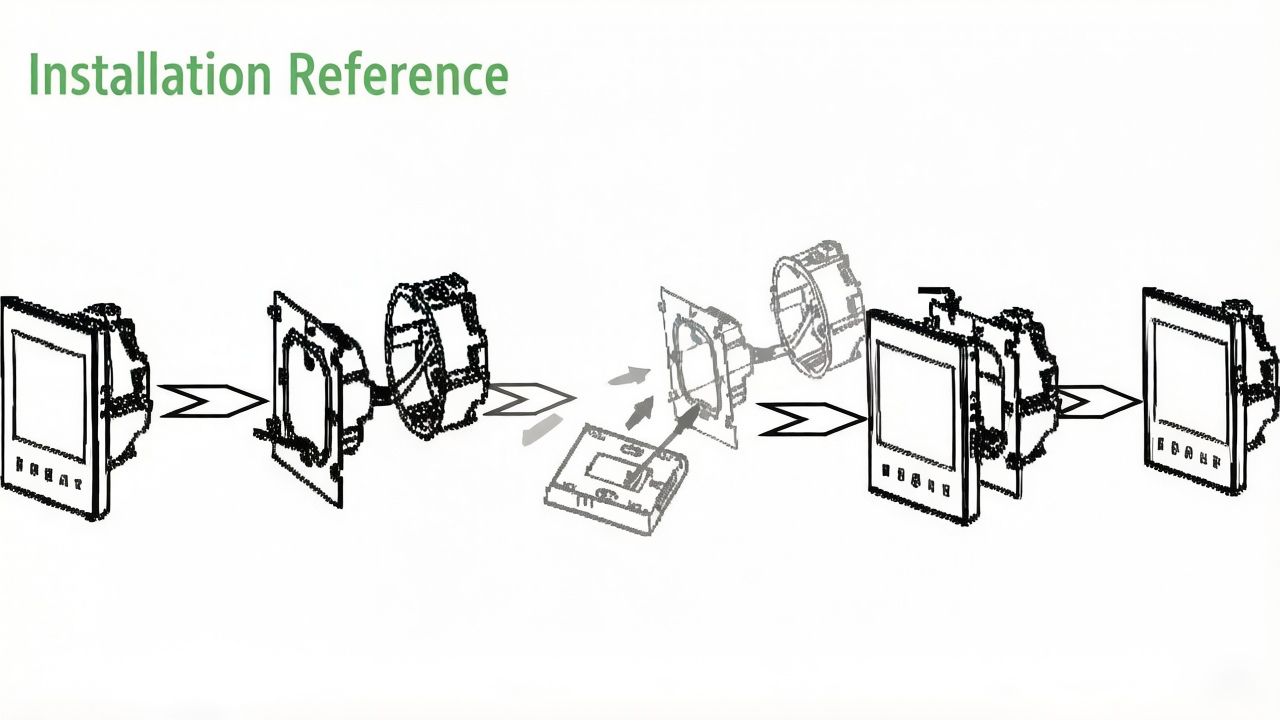
- Step-by-Step Setup:
- Turn off HVAC power
- Remove old thermostat, labeling all wires clearly
- Mount and connect new thermostat according to the manual
- Pair with app, configure schedules, eco-mode, and alerts
- Calibration & Placement: Avoid heat sources, drafts, and direct sunlight to ensure accurate temperature readings and optimal performance.
Scenario Example: A homeowner in a two-story house installed a learning thermostat on the first floor. Initially, it read warmer than the second floor, causing uneven heating. Relocating it to a central hallway corrected the issue, demonstrating the importance of placement and calibration.
Selecting the Right Thermostat for Your HVAC System
- Single-zone vs Multi-zone: Single-zone systems control the entire home with one thermostat; multi-zone systems require multiple thermostats or specialized controllers.
- System Type: Confirm whether your HVAC is forced-air, radiator, or heat pump. Not all thermostats are compatible with hydronic systems or certain heat pumps.
- Professional Advice: Certified HVAC installers ensure safe wiring, correct placement, and proper integration with home automation systems, which can prevent costly mistakes and improve system efficiency.
Recommended Models and Purchase Considerations
- Top Energy-Efficient Options: Learning thermostats and Wi-Fi-enabled multi-zone models with adaptive scheduling.
- Budget-Friendly Models: Programmable thermostats offering app control and energy reports without AI learning.
- Warranty & Reliability: Select devices from trusted HVAC manufacturers with multi-year warranty coverage and professional support.
FAQ – Smart Thermostat Questions
- Q1: What is the difference between a Wi-Fi thermostat and a learning thermostat?
- Wi-Fi thermostats allow remote control via apps, while learning thermostats automatically adjust based on usage patterns. Learning models often include energy reports and habit analysis.
- Q2: Can I install a smart thermostat myself?
- DIY installation is possible for standard Wi-Fi thermostats. Multi-zone or complex HVAC systems require a professional installer to avoid wiring mistakes or compatibility issues.
- Q3: How much energy can I save with a smart thermostat?
- Savings vary based on home size, insulation, and usage. Typically, users save 15–25% annually on heating and cooling costs.
- Q4: Are smart thermostats compatible with all HVAC systems?
- Not all. Verify voltage, wiring, and system type (heat pump, hydronic, forced-air). Some models require a C-wire or adapter.
- Q5: Do smart thermostats work with home automation systems?
- Yes, most Wi-Fi-enabled thermostats integrate with Alexa, Google Assistant, or Apple HomeKit. Some support routines and geofencing.
- Q6: Can I control multiple zones with one smart thermostat?
- Single units control only one zone. Multi-zone homes need multiple thermostats or specialized controllers.
- Q7: Is data privacy an issue?
- Some smart thermostats collect energy and occupancy data. Select models with secure storage and transparent privacy policies.
- Q8: How long does a smart thermostat last?
- 8–12 years on average. Lifespan depends on model, usage, and HVAC system compatibility.
- Q9: Will it work with my existing HVAC wiring?
- Most modern thermostats fit standard wiring. Older systems may need adapters or professional setup.
- Q10: Are smart thermostats worth the investment?
- Yes. They reduce energy bills, improve comfort, and integrate with home automation ecosystems.
References / Sources
- John Harris, HVAC Consultant, 2022 – Expert insights on energy savings with smart thermostats.
- Dr. Emily Chen, Smart Home Technology Researcher, 2023 – Research on learning thermostats and multi-zone systems.
- Michael Rodriguez, Certified HVAC Installer, 2022 – Professional advice on HVAC compatibility and installation.
- U.S. Department of Energy, 2021 – Study on energy savings using programmable and smart thermostats.
- American Council for an Energy-Efficient Economy (ACEEE), 2020 – Report on residential thermostat efficiency.
- Smart Home Research Institute, 2023 – Trends in home automation and thermostat integration.