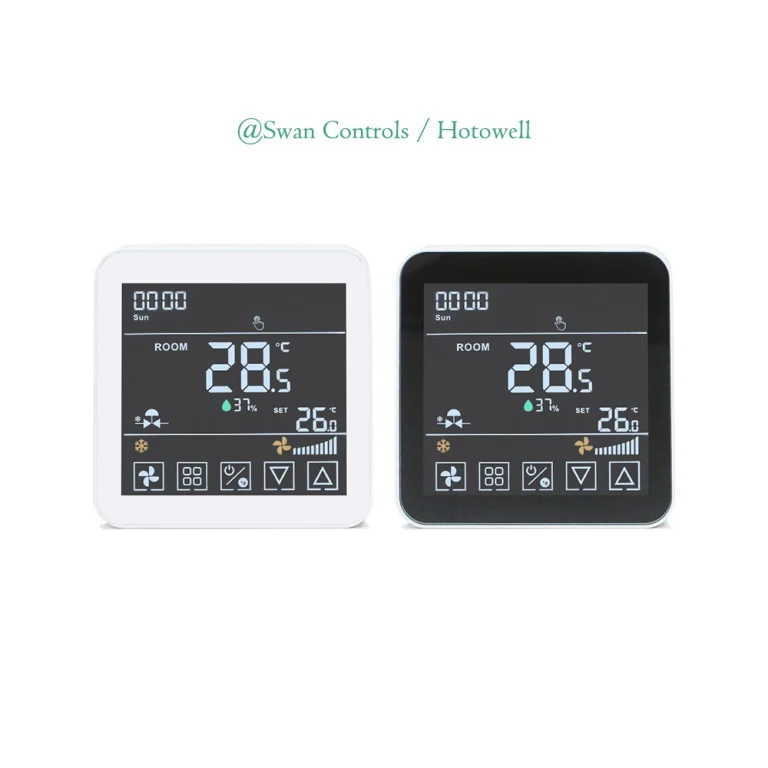
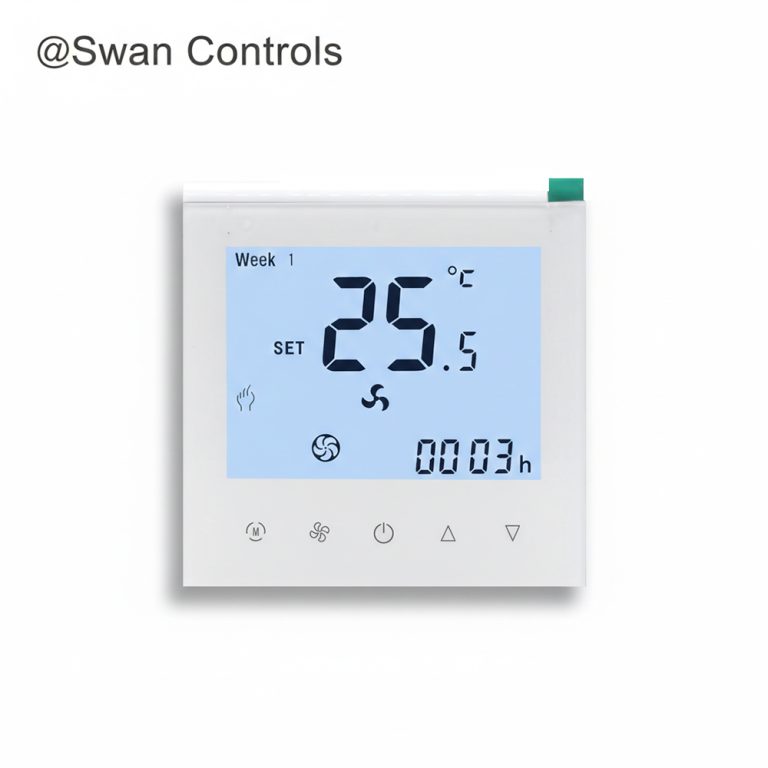
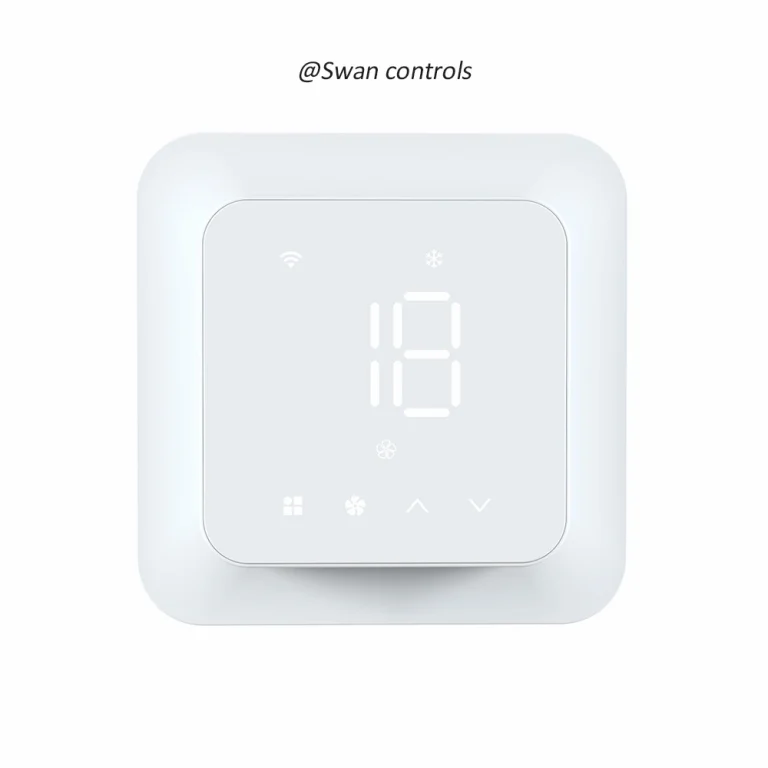
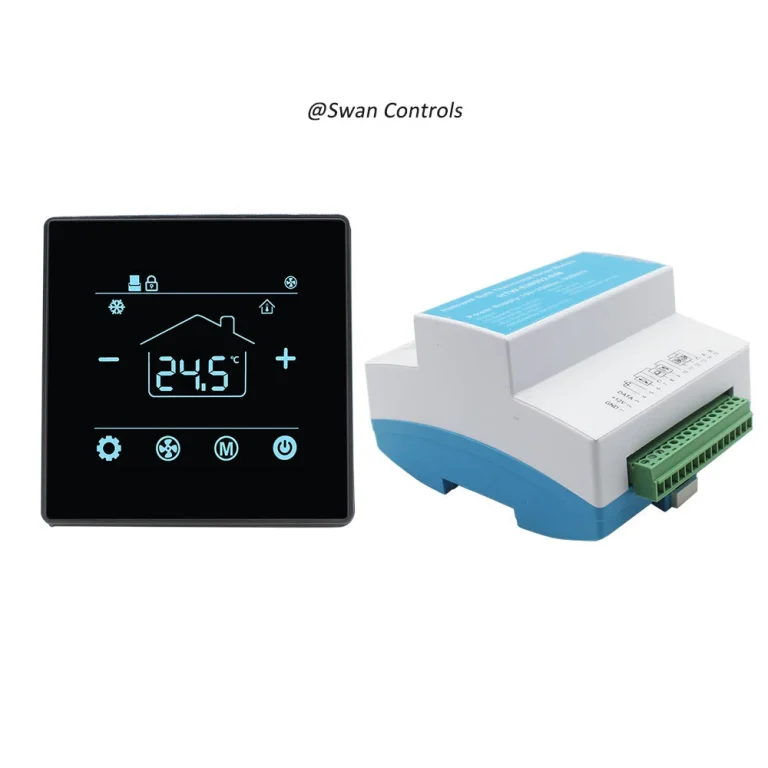
“Is a boiler thermostat the same as a room thermostat?”
“Not exactly. A boiler thermostat controls how hot the boiler water gets, while a room thermostat decides when the boiler should run to heat the space.”
That short exchange explains why this topic matters. Many buyers, installers, and project teams use the word thermostat in a general way, but in a heating system the control roles are not always the same. A boiler thermostat helps manage the temperature of the water leaving the boiler. A room thermostat monitors the air temperature in the room and tells the heating system when heat is needed. In more modern systems, these controls may also work with programmers, smart thermostat functions, or load compensation logic. So the right way to understand a boiler thermostat is not as an isolated wall device, but as one part of the wider heating control chain.
Quick Summary
A boiler thermostat helps control the temperature of the water leaving the boiler, while the wider heating control system decides when and how long the boiler should run. In practical heating projects, boiler thermostat, room thermostat, and smart controls often work together rather than independently.
Quick Summary: The 3 Boiler Thermostat Questions Buyers Usually Ask
The three questions buyers usually ask are simple. What does a boiler thermostat control? How does it work with a room thermostat? Why does the setting affect comfort and efficiency? If these three points are clear, most confusion about boiler heating controls becomes much easier to solve.
What Is a Boiler Thermostat?
A boiler thermostat is a control device that helps manage how hot the water gets inside a boiler heating system before that water is sent to radiators or another heating loop. In practical terms, it is concerned with the flow temperature. That means it influences the temperature of the water leaving the boiler and entering the heating system.
This is important because boiler heating is not only about whether the boiler is on or off. It is also about how much heat the boiler is producing for the system. If the flow temperature is too high, the system may run less efficiently than it needs to. If it is too low, the home or building may not warm properly, especially during colder periods.
In many heating systems, the boiler thermostat is only one part of the overall control setup. The heating system may also include a programmer, a room thermostat, a cylinder thermostat, thermostatic radiator valves, or a smart thermostat. That is why buyers should think of the boiler thermostat as part of a wider heating control arrangement rather than as a stand-alone feature.
How Does a Boiler Thermostat Work?
The working principle is easier to understand when it is broken into simple steps. First, the boiler heats water. Second, the boiler thermostat helps control how hot that water becomes before it goes out into the heating loop. Third, the heated water moves through radiators, underfloor circuits, or another heating path. Fourth, the wider control system decides whether more heat is still needed.
This is where the difference between boiler thermostat and room thermostat becomes important. The boiler thermostat is mainly concerned with the water temperature in the boiler system. The room thermostat is mainly concerned with the air temperature in the room. When the room temperature is below the target setpoint, the room thermostat tells the boiler to run. When the room reaches the target temperature, the room thermostat tells the boiler to stop calling for heat. The two controls are therefore related, but they do not do exactly the same job.
| Part | What It Does | Example |
|---|---|---|
| Boiler thermostat | Controls or limits the flow temperature | Boiler water heating level |
| Room thermostat | Monitors room air temperature and calls for heat | Starts or stops boiler demand |
| Programmer or smart control | Adds timing, scheduling, or remote logic | Daily schedule, app control, zoning |
Boiler Thermostat vs Room Thermostat
This is one of the most important distinctions for buyers. A boiler thermostat is mainly about how hot the boiler water gets. A room thermostat is mainly about the temperature of the room and whether the boiler should keep running. These two functions are related but not identical.
A room thermostat monitors the air temperature in the room and lets users choose the temperature level they want. If the room temperature falls below that level, the thermostat tells the boiler to come on. If the room gets too warm, it tells the boiler to stop. This is why many people feel the room thermostat is the “main” thermostat, even though the boiler thermostat is still controlling another important part of the heating process.
For buyers, the practical lesson is simple: when someone says “thermostat,” you should first ask whether they mean the boiler-side water temperature control or the room-side air temperature control.
Boiler Thermostat vs Smart Thermostat
Modern heating discussions often introduce the smart thermostat as if it replaces all other control thinking. In practice, a smart thermostat is better understood as a more advanced way of managing the heating system. It may still work with the boiler, but it adds scheduling, app control, zoning options, remote access, or more intelligent heating behavior.
In other words, the smart thermostat does not remove the need to understand boiler thermostat logic. It builds on it. A modern smart heating control can allow users to manage room temperatures through an app, set schedules more easily, and in some systems work with communication logic that helps the boiler run more efficiently.
This is why buyers should not frame the question as “boiler thermostat or smart thermostat?” The better question is “how does smart control fit into the boiler and room control arrangement?”
Why Boiler Thermostat Settings Matter
Boiler thermostat settings affect both comfort and efficiency. If the flow temperature is set higher than necessary, the system may still heat the building, but the boiler may not be operating as efficiently as it could. If the flow temperature is too low, the building may struggle to warm up properly, especially during colder conditions.
In practical heating advice, the goal is not simply to turn everything up. It is to find a balance. A lower flow temperature can improve boiler efficiency by lowering return temperature, but it still has to be high enough to heat the space correctly. In systems with a separate hot water cylinder, the setting also needs to be high enough to maintain safe hot water conditions.
Room thermostat settings matter too. A room thermostat is often recommended to be set somewhere between 18°C and 21°C for a good balance between comfort and savings. That does not mean every building or every customer will use the same setting, but it gives a practical range that helps frame buyer expectations.
Common Types of Boiler Controls Used with a Boiler Thermostat
Boiler thermostat logic rarely stands alone in a modern heating system. In real projects, it usually works with one or more other controls.
Basic room thermostat
This is the most familiar arrangement. The room thermostat monitors room temperature and turns the heating demand on and off around the chosen setpoint.
Programmable thermostat
A programmable thermostat combines time and temperature logic. It allows different temperatures at different times of the day or week. This makes heating more practical and can reduce unnecessary runtime.
Smart thermostat
A smart thermostat adds app-based access, remote control, and often stronger scheduling flexibility. In some systems, it also supports zoning or learning behavior.
Load compensation and advanced controls
More advanced heating systems may use load compensation or weather-related logic so the boiler output adjusts more intelligently. Instead of running at full output until the room reaches the set temperature, the control can reduce output when only a small temperature increase is needed. This can help improve efficiency and reduce overshoot.
Where Boiler Thermostat Logic Appears in Real Projects
Boiler thermostat logic is most obvious in residential heating, but its control thinking also appears in related project types.
Boiler heating projects
In direct boiler-related applications, buyers often look for a thermostat that matches the heating logic clearly. Products such as a 220V boiler thermostat with Modbus or a house thermostat for water heating and boiler heating fit naturally into this category.
Water heating thermostat projects
Water heating control shares similar logic in many cases. The thermostat still needs to regulate heating behavior in a practical and stable way. A 3A water heating thermostat is a good example of a product where heating control logic matters more than display style.
Hotel and room-heating control projects
Even where the project is not a classic domestic boiler project, room-heating control logic still matters. In hospitality applications, a keycard HVAC thermostat may combine comfort control with room management logic. The system role is broader, but the control idea remains related.
Commercial valve or PICV control projects
Commercial room-control applications may not be described as boiler thermostat projects, but they still rely on matching the thermostat to the real heating logic and output requirement. A 24VDC output PICV thermostat with Modbus shows how thermostat control thinking extends into more specific commercial control roles.
Common Boiler Thermostat Mistakes Buyers Should Avoid
- Confusing boiler thermostat with room thermostat.
- Setting flow temperature higher than needed by default.
- Assuming a smart thermostat is automatically compatible with every boiler project.
- Ignoring basic wiring and call-for-heat logic.
- Choosing by app or screen style before checking control role.
- Forgetting that room control and boiler control usually work together.
- Ignoring whether the project also needs scheduling, load compensation, or other heating controls.
These mistakes are common because the controls look simple from the outside. But the heating system around them is often more layered than it first appears.
Expert Commentary: Boiler Thermostat Is Simple, But the Heating System Around It Is Not
A boiler thermostat may seem straightforward because its basic job is easy to describe. It helps control the temperature of the water leaving the boiler. But in real projects, the thermostat usually works inside a larger control system that includes room thermostats, programmers, smart controls, and sometimes load compensation or weather-related logic.
That is why the question “what does a boiler thermostat do?” is simpler than the question “what does it do alone?” In many practical systems, it is only one part of how the building actually receives heat. Buyers who understand this tend to ask better questions earlier, especially about compatibility, control role, and expected heating behavior.
We support thermostat projects for boiler heating, water heating, room control, hotel HVAC, and commercial control environments where the thermostat should be matched to the real heating logic, not just the display style.
Scientific Data and What It Means
Practical heating advice from recognised organisations shows that boiler thermostat and room thermostat settings can affect both comfort and running cost. Lowering flow temperature when it is higher than necessary can improve efficiency by lowering return temperature. Room thermostat settings in the 18–21°C range are also commonly recommended for a balance between comfort and energy savings.
More advanced control approaches can go further. Load compensation controls can reduce the boiler output when only a small increase in room temperature is needed. This helps the boiler avoid running harder than necessary, which can improve comfort, reduce energy use, and support longer equipment life.
For buyers, the key lesson is not that there is one perfect setting for every project. The real lesson is that thermostat control should match the actual heating need rather than simply aiming for the highest temperature by default.
Real-World Cases and User Feedback
Case 1: Basic boiler heating home
A homeowner wanted steady room comfort but was not sure whether the boiler dial or the room thermostat was doing the main work. After clarifying the difference, the heating behavior became easier to understand: the boiler thermostat affected water temperature, while the room thermostat decided when heat was needed.
Case 2: Water heating thermostat project
In a water heating control project, the thermostat selection was not really about interface design. It was about making sure the heating demand was controlled in a stable and practical way for the real system. Once that was clear, the product choice became much easier.
Case 3: Smarter heating logic in a modern project
In a more modern heating project, the buyer wanted better comfort and more control flexibility. That led the discussion beyond a simple boiler thermostat and into scheduling, smarter controls, and output matching. The key takeaway was that boiler thermostat logic still mattered, but now as part of a broader heating strategy.
User feedback pattern: In real projects, people usually do not ask for a “better thermostat theory.” They ask why the room overheats, why the boiler runs longer than expected, or whether a smart thermostat will help. Those questions all lead back to the same point: the controls need to be understood as one heating system.
A Practical Boiler Thermostat Checklist Before Selection
- Confirm the heating application.
- Confirm whether you are talking about a boiler thermostat or a room thermostat.
- Confirm the power and wiring logic.
- Confirm the output and control requirement.
- Confirm whether scheduling or smart control is needed.
- Confirm the desired room comfort and efficiency goal.
- Confirm documentation and installation support.
This checklist is simple, but it helps buyers frame the thermostat as part of a system, not only as a product.
Frequently Asked Questions
1. What does a boiler thermostat do?
A boiler thermostat helps control how hot the water gets before it leaves the boiler and enters the heating system. It is mainly concerned with the boiler water temperature rather than the room air temperature.
2. Is a boiler thermostat the same as a room thermostat?
No. A boiler thermostat controls boiler water temperature, while a room thermostat monitors room air temperature and tells the heating system when heat is needed.
3. How does a boiler thermostat work with a room thermostat?
The boiler thermostat helps manage the water temperature inside the boiler system, while the room thermostat decides when the room needs more heat. In practical heating systems, these two controls often work together.
4. What is the best boiler thermostat setting?
There is no single best setting for every project. The goal is to use a flow temperature that is high enough to heat the building properly but not higher than necessary, because unnecessarily high flow temperature can reduce efficiency.
5. Can a smart thermostat control a boiler?
Yes, many smart thermostats can control a boiler when they are compatible with the system. In modern heating projects, smart thermostat functions often add scheduling, app control, and smarter heating behavior to the basic boiler and room control arrangement.
A boiler thermostat helps control the temperature of the water leaving the boiler, but it usually works as part of a larger heating control system. So the direct answer to the title is simple: a boiler thermostat works by helping manage boiler water temperature, while room and smart controls decide when heat is needed in the building.
References / Sources
- Energy Saving Trust, Heating controls
- Energy Saving Trust, When should I put my heating on?
- Worcester Bosch, Boiler Controls Explained
- Worcester Bosch, Boiler Controls
- Vaillant, Ultimate guide to smart heating
- Vaillant Professional, Domestic Controls Brochure January 2025
- Honeywell Home, My thermostat is set to heat, but my boiler isn’t coming on. Why?
- Wikipedia, Thermostat
- Wikipedia, Central heating
- Wikipedia, Boiler