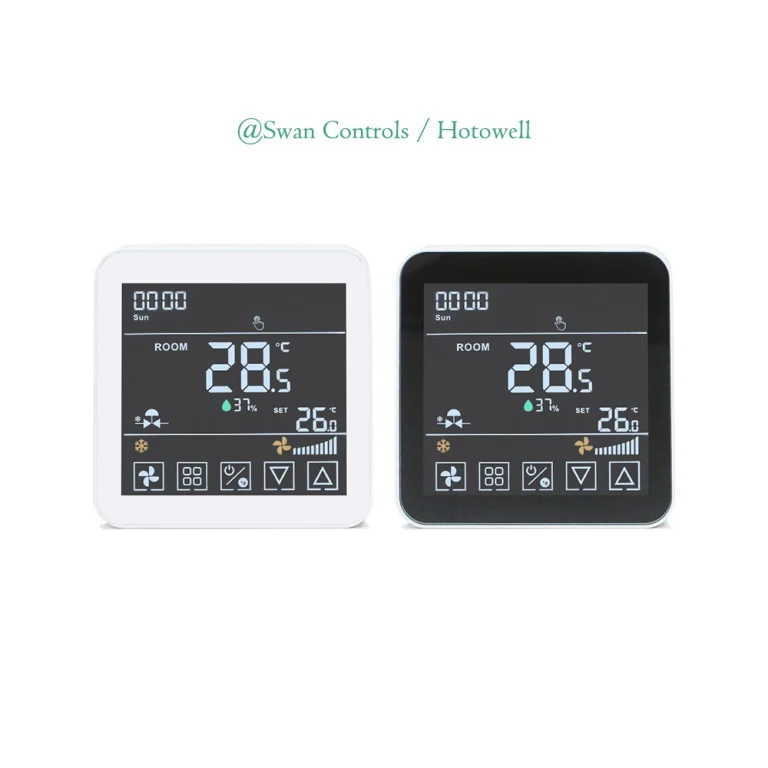
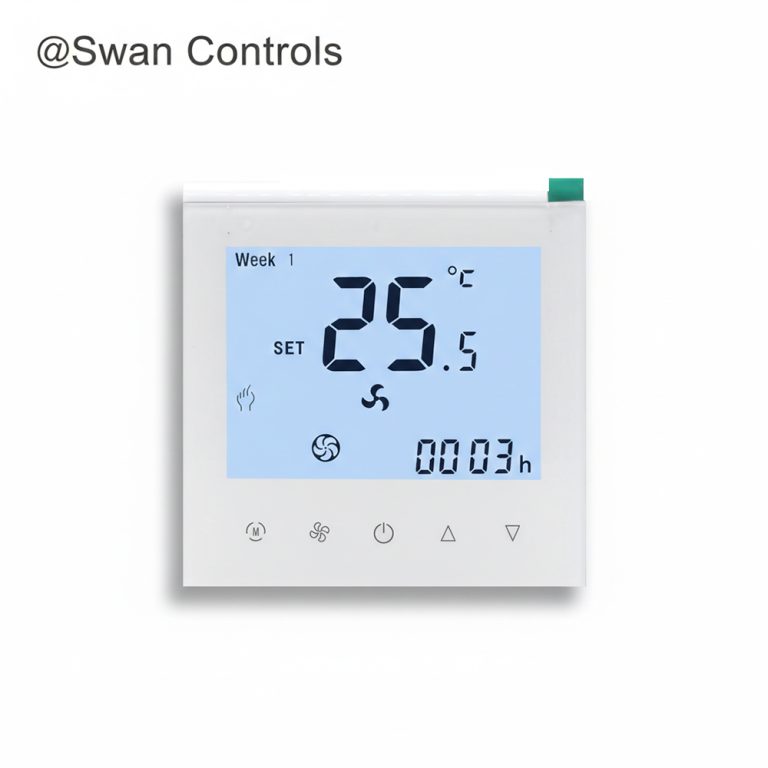
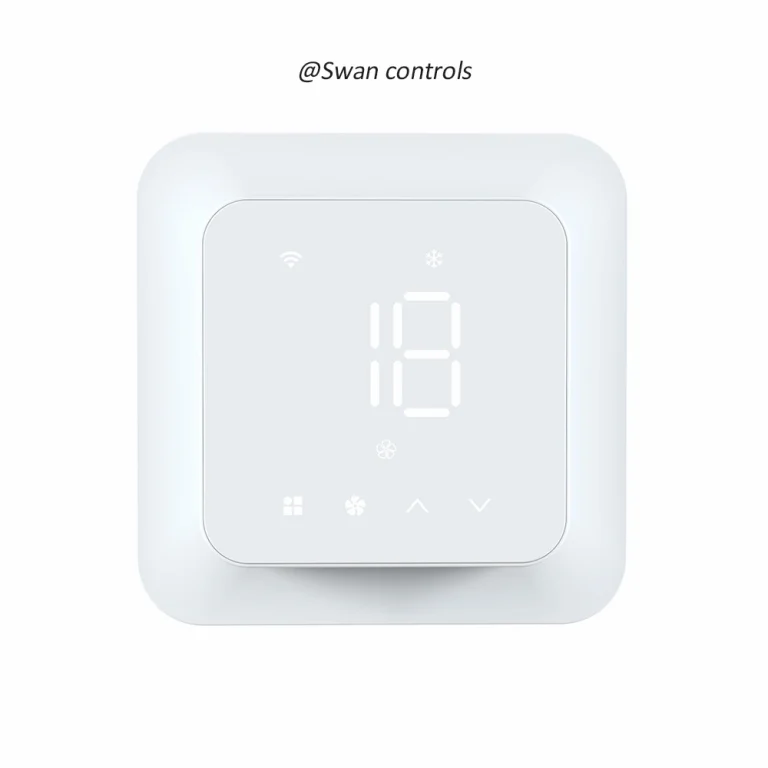
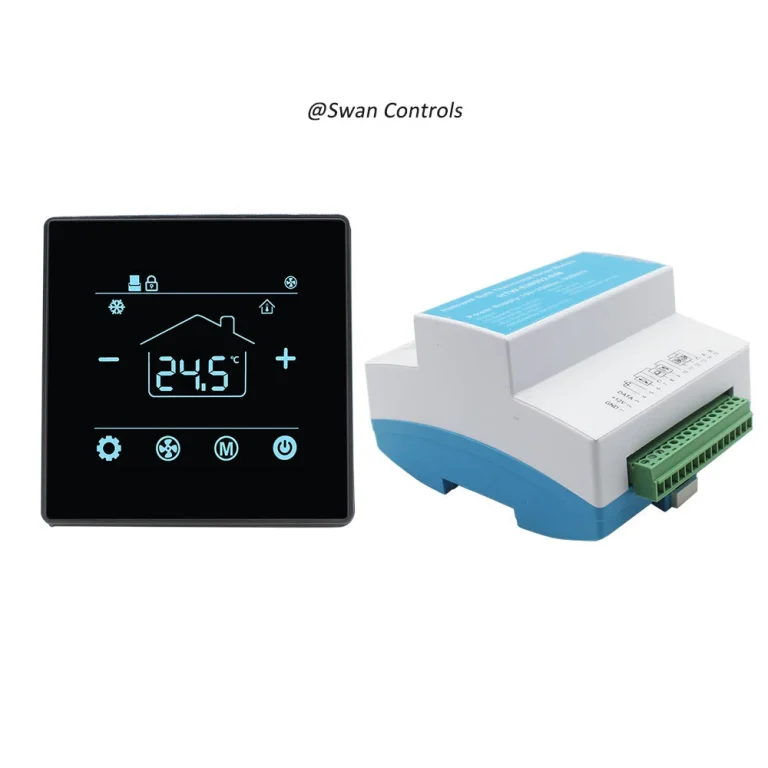
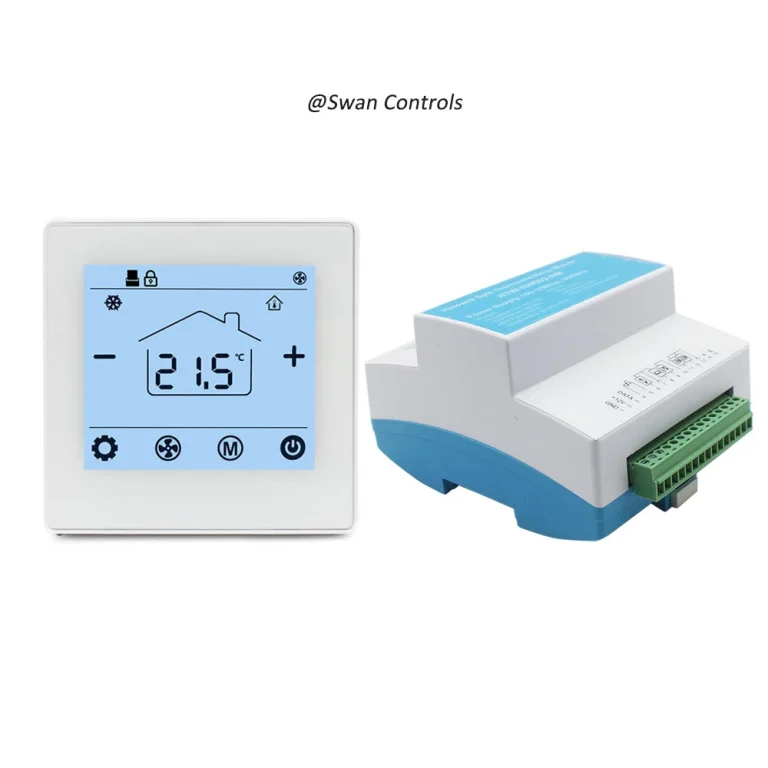
“Why does the floor feel warm, but the room still doesn’t feel right?”
“Before blaming the thermostat, we should check whether the system type, sensor mode, and control expectation were correct in the first place.”
That is where many underfloor heating thermostat complaints begin. The customer feels something is wrong. The installer says the thermostat is working. The buyer says the ordered model looked correct. In many cases, all three statements are partly true. The real problem is often not one broken part. It is a mismatch between the thermostat logic and the project itself. In underfloor heating, mistakes often start with the wrong system assumption, the wrong sensor choice, the wrong control mode, or the wrong expectation about what a smart thermostat can actually fix. Warmup separates underfloor heating controls into smart, programmable, and manual categories, and also distinguishes direct electric control from multi-zone water underfloor heating control, which already shows that one simple thermostat mindset does not fit every project.
Quick Summary: The 5 Mistakes Behind Most Underfloor Heating Thermostat Complaints
The most common complaint sources are simple. Buyers treat an underfloor heating thermostat like a normal room thermostat. They do not separate electric underfloor heating from water underfloor heating. They ignore the floor sensor or use the wrong sensor mode. They assume WiFi will solve a control problem that is really a setup problem. Or they apply residential control logic to a commercial multi-room project. Heatmiser’s documentation makes one of these mistakes especially clear: for electric underfloor heating, built-in air sensor only must not be used by itself
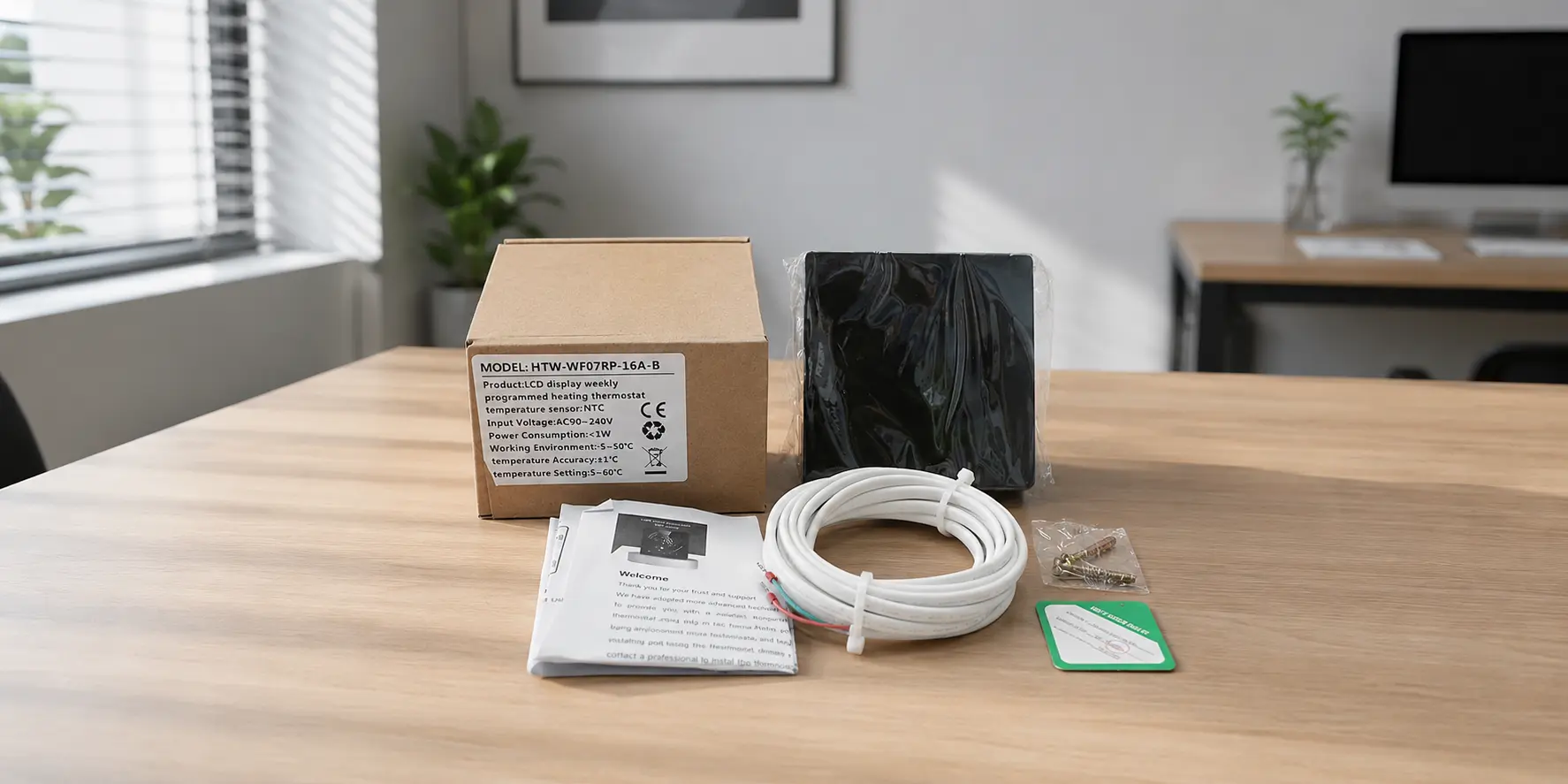
Mistake 1: Treating an Underfloor Heating Thermostat Like a Normal Room Thermostat
This is the most common mistake, and it creates many later complaints. A normal room thermostat is usually understood as a device that reacts to room air temperature. An underfloor heating thermostat may do more than that. It may need to control floor temperature, room temperature, or a combination of both. That difference becomes especially important in electric underfloor heating, where floor temperature control is often part of the core logic rather than a minor extra. Heatmiser’s SmartStat manual states clearly that air sensor only must not be used to control electric under-floor heating.
When this distinction is missed, buyers and end users often create the wrong expectation from the start. They assume the thermostat should behave like an ordinary room thermostat, but the project actually needs the floor itself to be part of the control target. The result is a familiar complaint pattern: the screen looks correct, the heating is on, but the room comfort still feels inconsistent or the floor feels wrong. That is not always a hardware fault. It is often a misunderstanding of the thermostat’s role.
| Thermostat Type | Main Focus | Common Complaint If Misunderstood |
|---|---|---|
| Normal room thermostat | Room air temperature | “The thermostat works, but the floor feels wrong” |
| Underfloor heating thermostat | Floor temperature, room temperature, or both | “The room heats, but comfort still feels unstable” |
| Smart UFH thermostat | Scheduling and control convenience | “The app works, but the control result is still poor” |
Mistake 2: Not Separating Electric UFH from Water UFH
The second major mistake is choosing or judging a thermostat without first separating electric underfloor heating from water underfloor heating. Warmup explains that electric systems are often used for smaller areas, renovations, or room-by-room upgrades, while water systems are commonly associated with larger areas, new-build projects, and broader whole-property heating strategies. That alone should tell buyers that the same thermostat logic cannot always be copied across both categories.
This difference matters because the complaints are not the same. In a one-room electric installation, the issue may be floor comfort, incorrect sensor mode, or current/load suitability. In a multi-zone water project, the complaint may come from grouped zones, room-control structure, or wider system behaviour rather than from one thermostat alone. When electric and water systems are treated as if they are basically the same, the thermostat may still power on and still be wrong for the job.
Mistake 3: Ignoring the Floor Sensor
This is one of the biggest causes of real-world complaints in electric underfloor heating projects. Buyers sometimes assume that a floor sensor is an optional accessory rather than a core control requirement. But manufacturer documentation shows the opposite. Heatmiser explicitly states that electric under-floor heating must not rely on built-in air sensor only, and that floor sensor or both should be used.
That means many complaints such as “the floor gets too warm,” “the room heats but the floor feels wrong,” or “the control feels unstable” may not start with a bad thermostat at all. They may start with missing or misunderstood floor sensor logic. This is why the floor sensor should be treated as part of the control system, not as a small optional part that can be added later if needed.
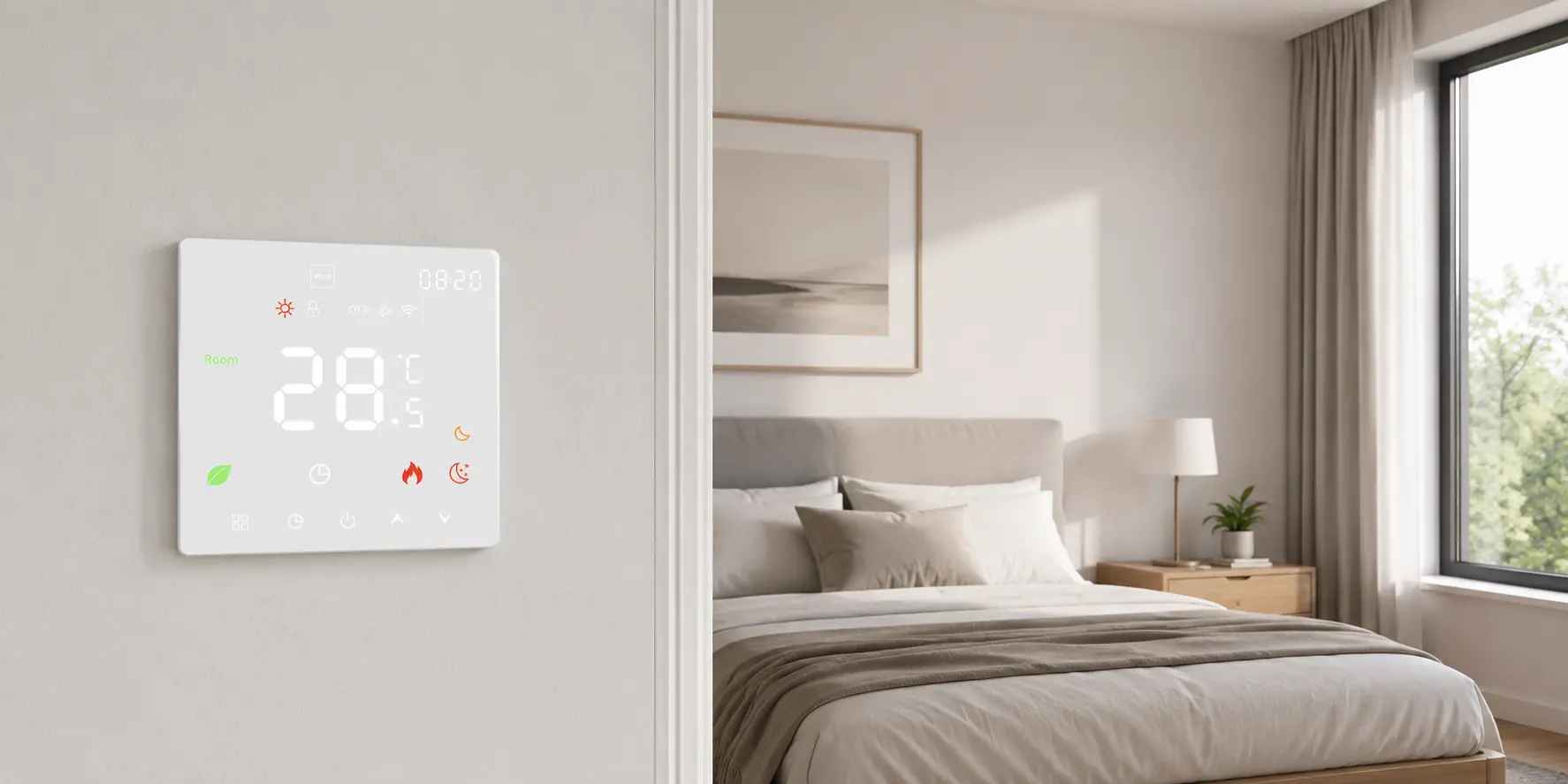
Mistake 4: Choosing the Wrong Sensor Mode
Even when the thermostat includes the correct external sensor, the control result can still be wrong if the sensor mode is not set correctly. This is a different problem from missing the floor sensor completely. Here, the hardware may be available, but the thermostat may still be running in the wrong mode for the actual project.
Depending on the thermostat, the user or installer may need to choose floor-sensor-only control, air-sensor-only control, or combined air-plus-floor control. If that choice is wrong, the heating may behave in a way that looks defective but is actually logical according to the wrong setting. For example, a floor-comfort project may feel disappointing if it is set up like a simple room-air project. Or a room-comfort project may feel slow or unusual if it is being controlled mainly by a floor-temperature target. Heatmiser’s manuals make clear that sensor selection is an intentional feature, not a background detail.
Mistake 5: Using Residential Logic in a Commercial Project
Residential and commercial projects often need different thermostat priorities, but buyers sometimes apply the same logic to both. That creates a different class of complaint. In residential work, people often care most about comfort, convenience, easy schedules, and sometimes WiFi thermostat control. In commercial work, the focus often shifts toward consistent multi-room behaviour, easier setup, clearer commissioning, and simpler long-term management.
Uponor’s room temperature controls are presented for both residential and commercial use, and the emphasis differs by audience. Homeowners are addressed through comfort and energy savings, while installers and planners are addressed through easy setup, installation, commissioning, and project fit. That is a useful reminder that commercial complaints may not sound like residential complaints. A home user may say “the floor does not feel right.” A commercial team may say “the zone behaviour is inconsistent” or “setup is too complicated across rooms.” Both are thermostat complaints, but they come from different project logic.
Mistake 6: Assuming WiFi Will Fix a Bad Control Setup
WiFi and smart controls are useful, but they are not automatic solutions for every underfloor heating complaint. Warmup groups its controllers into smart, programmable, and manual categories, which already suggests that smart is one control option, not the basic definition of a correct setup. Smart control can improve convenience, scheduling, and remote access. It does not automatically correct the wrong system type, the wrong sensor mode, or the wrong installation logic.
This is why some users still complain even after a “smarter” thermostat has been installed. The interface may be better and the app may work, but the project may still be using the wrong control role. If the floor sensor requirement was ignored, or if the thermostat is being treated like a generic room thermostat, WiFi does not solve the original problem. It only makes the same problem easier to view on a phone.
Mistake 7: Forgetting Whether the Floor Heating Is Primary or Secondary
Another source of complaints is misunderstanding the role of the underfloor heating system itself. Some underfloor heating systems are expected to deliver the main room heating. Others are installed more as a comfort layer, for example in bathrooms or smaller renovation areas. Warmup’s guidance around system choice and control options reflects these practical differences. A thermostat that feels suitable when the system is a comfort layer may not feel suitable when the same system is expected to deliver the main heating result for a larger space.
This mistake often produces complaints that sound vague but are actually very predictable. The customer says the floor feels warm but the room is still not comfortable enough. Or the room feels fine but the floor does not give the comfort sensation the user expected. These complaints often come from the project using primary-heating expectations with secondary-heating control assumptions, or the reverse. The thermostat may be performing correctly according to one role while the customer is judging it by another.
Mistake 8: Blaming the Product Before Checking the Control Structure
This is often the final and most expensive mistake. The thermostat becomes the first thing blamed because it is visible and easy to identify. But many underfloor heating complaints come from the wider control structure, not from a random thermostat hardware fault. In water underfloor heating, grouped zones or room-control structure may influence the result. In electric floor heating, sensor placement or mode may be the real issue. In either case, replacing the thermostat without reviewing the control logic can waste time and money.
That does not mean thermostats never fail. It means the diagnostic order matters. A control-role check is often more useful than a blame-first approach. In many cases, the thermostat was the most visible part of the system, but not the first source of the complaint.
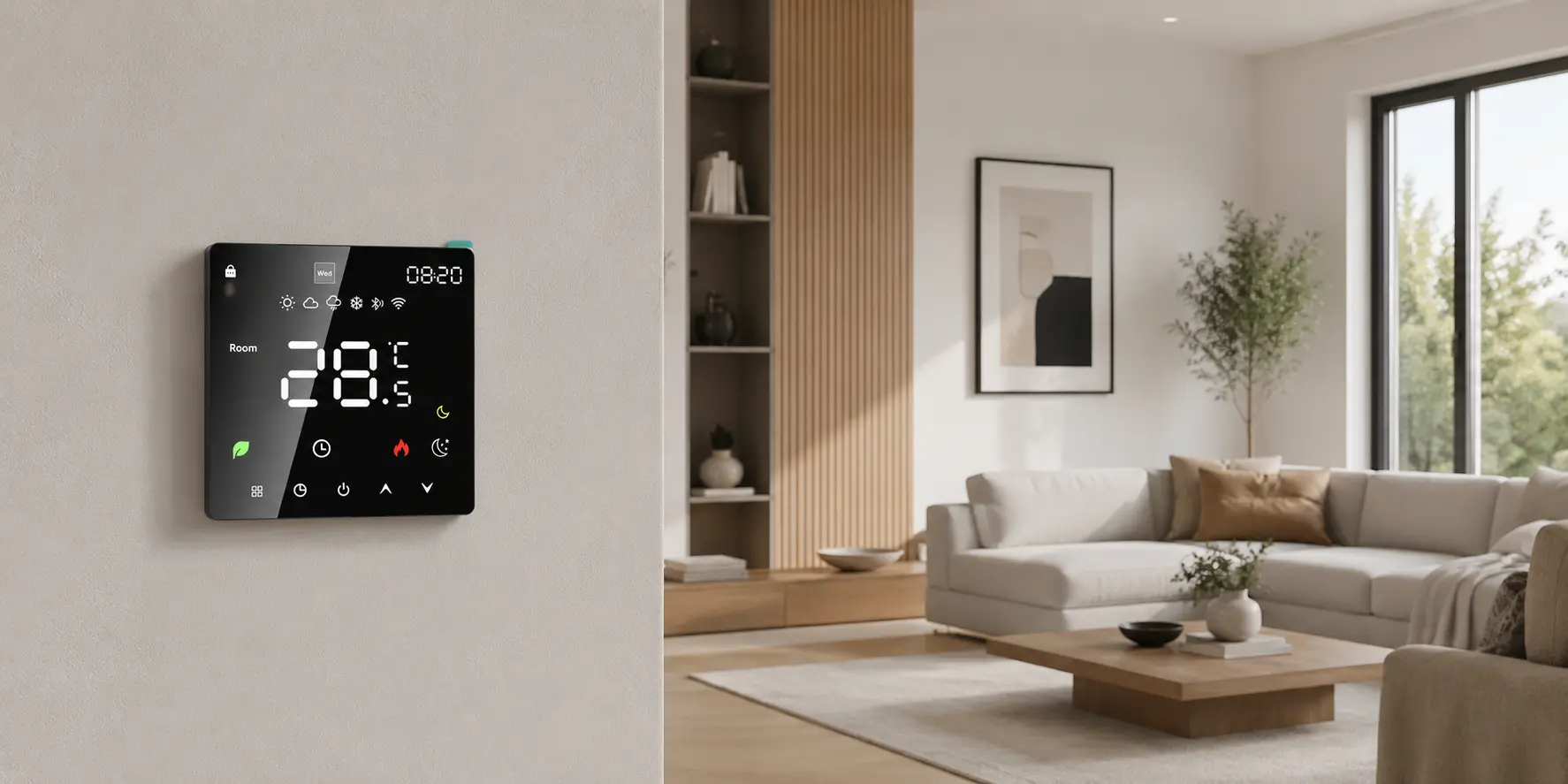
Expert Commentary: Wrong Underfloor Heating Control Usually Starts with the Wrong Assumption
The strongest pattern across these complaints is not random hardware failure. It is wrong assumption. The buyer assumes the thermostat is just a room thermostat. The installer assumes the floor sensor is secondary. The user assumes WiFi should solve every control issue. The project assumes residential logic will scale into commercial use. These are simple assumptions, but they create predictable control problems.
We support thermostat projects for electric floor heating, WiFi floor heating control, water heating, boiler-linked heating, and broader room-control environments where stable control depends more on correct logic than on the display alone. In practical work, the best complaint-prevention strategy is usually not more features first. It is clearer project definition first.
Scientific Data and What It Means
Public product and technical guidance helps explain why these complaints are so common. Warmup explains that electric systems allow independent room control with floor and air sensors, while water floor-heating systems can also be controlled by room thermostats but may group smaller adjacent rooms into one zone. Heatmiser states that electric under-floor heating must not be controlled by built-in air sensor only. OJ Electronics positions its programmable electric floor-heating thermostats around optimal comfort temperature and minimum energy consumption. Taken together, these sources show that underfloor heating thermostat complaints are often about system fit and control logic, not only about the thermostat shell or display.
Real Cases and Buyer Feedback
Case 1: Electric floor-heating complaint caused by missing floor-sensor logic
A buyer selected a thermostat that looked suitable for electric floor heating, but the project discussion did not clearly define the floor-sensor role. Later, the complaint was not that the thermostat screen failed. The complaint was that the control felt wrong in use. Once the sensor logic was reviewed, the source of the problem became much clearer.
Case 2: Commercial multi-room complaint caused by zone expectation mismatch
Another project used a thermostat logic that was easy to understand in a single-room context, but the control expectation changed when the project scaled into multiple rooms. The complaint sounded like a product issue at first, but it was really a control-structure issue.
Case 3: WiFi thermostat complaint caused by wrong control-role assumption
In a third case, the thermostat app worked and the smart feature set looked good, but the floor-heating result still disappointed the user. The problem was not the WiFi function. The problem was that the project expected smart features to correct a sensor-logic mismatch that had never been solved first.
User feedback pattern: Customers usually describe the result in simple words. They say the floor feels too warm, the room feels too cool, the control feels unstable, or the thermostat looks smart but does not solve the comfort problem. Behind those complaints, the root cause is usually one of the control assumptions listed above.
Frequently Asked Questions
1. Why is my underfloor heating thermostat not controlling correctly?
In many cases, the problem is not a broken thermostat. The more common causes are wrong system type assumption, missing or incorrect floor-sensor logic, wrong control mode, or a mismatch between thermostat setup and the actual heating project.
2. Do I need a floor sensor for electric underfloor heating?
In many electric underfloor heating projects, yes. Floor-sensor logic is often essential because electric floor heating should not usually rely on built-in air sensor only.
3. Can I use a normal room thermostat for underfloor heating?
Not safely as a general rule. An underfloor heating thermostat may need to control floor temperature, room temperature, or both together, so treating it like a normal room thermostat can create the wrong control result.
4. Why does my WiFi thermostat still give poor floor-heating control?
Because WiFi improves convenience, not basic system fit. If the thermostat is using the wrong sensor logic, the wrong project expectation, or the wrong setup mode, a smart app will not solve the underlying control problem.
5. What causes customer complaints in underfloor heating thermostat projects?
The most common causes are wrong system assumptions, missing floor-sensor logic, incorrect sensor mode, project-type mismatch, and blaming the thermostat before checking the wider control setup.
References / Sources
- Warmup, Understanding Your Underfloor Heating Control Options
- Warmup, Underfloor Heating Thermostats
- Warmup, How do I control a water floor heating system?
- Warmup, Electric Underfloor Heating
- Heatmiser, Heatmiser SmartStat Manual
- Heatmiser, neoStat-e Manual
- Heatmiser, Information About Fitting Floor Probes
- Uponor, Room Temperature Controls
- OJ Electronics, UDG Programmable Thermostat
- Wikipedia, Underfloor heating