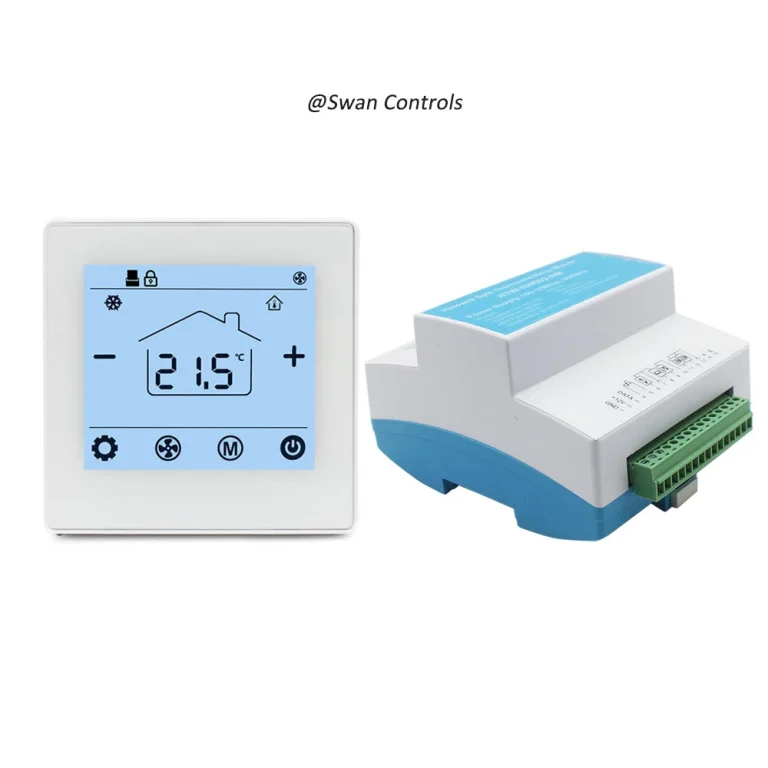
“Can we order this boiler thermostat directly?”
“Maybe. But before ordering, we should confirm whether you mean the boiler-side water temperature control, the room thermostat, or a full heating control solution.”
That is a much better starting point for overseas boiler thermostat buying. In real projects, many problems begin before shipping. The buyer asks for a boiler thermostat, the supplier sends a quotation, and both sides believe they are discussing the same product. Later, it becomes clear that one side meant a room thermostat, another meant a flow-temperature control, and the project actually needed a broader heating control arrangement with scheduling or smart features. This is why buying a boiler thermostat is not only about screen design, supply voltage, or price. It is about control role, wiring logic, heating efficiency, and whether the product matches the actual boiler project.
Quick Summary
Before ordering a boiler thermostat, overseas buyers should confirm whether the product is controlling boiler flow temperature, room heating demand, or a wider heating control sequence. Compatibility, wiring logic, output role, smart control needs, and documentation usually matter more than screen style alone.
Quick Summary: The 5 Checks That Prevent Most Boiler Thermostat Buying Mistakes
Most buying mistakes can be reduced if five points are checked early. First, confirm the real heating application. Second, confirm whether the product role is boiler thermostat or room thermostat. Third, confirm flow temperature and efficiency expectations. Fourth, confirm wiring and call-for-heat logic. Fifth, confirm whether smart controls or other heating controls are required. If these five points are clear, overseas buyers usually compare products more accurately and avoid many later misunderstandings.
What Buyers Often Mean When They Say Boiler Thermostat
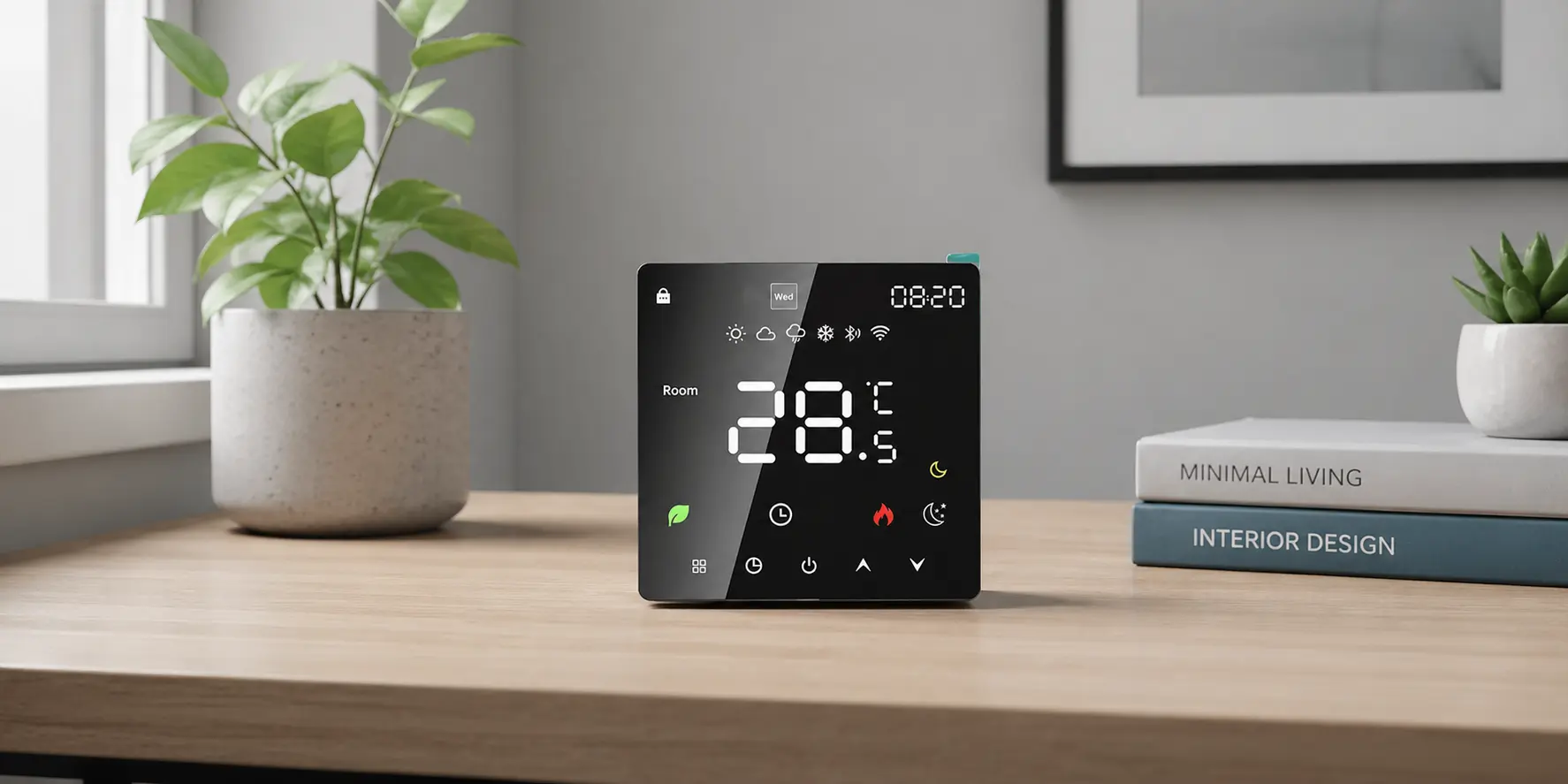
One of the first problems in export thermostat buying is language. Many buyers use boiler thermostat as a broad phrase, but in practice it may refer to different control roles. Sometimes they mean the control that helps manage the boiler water temperature. Sometimes they mean the room thermostat that tells the boiler when heat is needed. Sometimes they mean a full heating control package that includes scheduling, smart functions, or room logic.
This distinction matters because a boiler thermostat and a room thermostat do not do exactly the same job. A boiler thermostat is mainly concerned with the temperature of the water leaving the boiler. A room thermostat is mainly concerned with the air temperature in the room and whether the heating should continue to run. If buyers do not separate these two ideas early, they may compare products that do not really serve the same purpose.
This is why the buying conversation should begin with a very simple question: what exactly is the thermostat expected to control in the real heating system?
Check the Real Heating Application First
The first thing overseas buyers should check is the real application. Boiler thermostat selection is much easier when the heating context is already clear.
Boiler heating home use
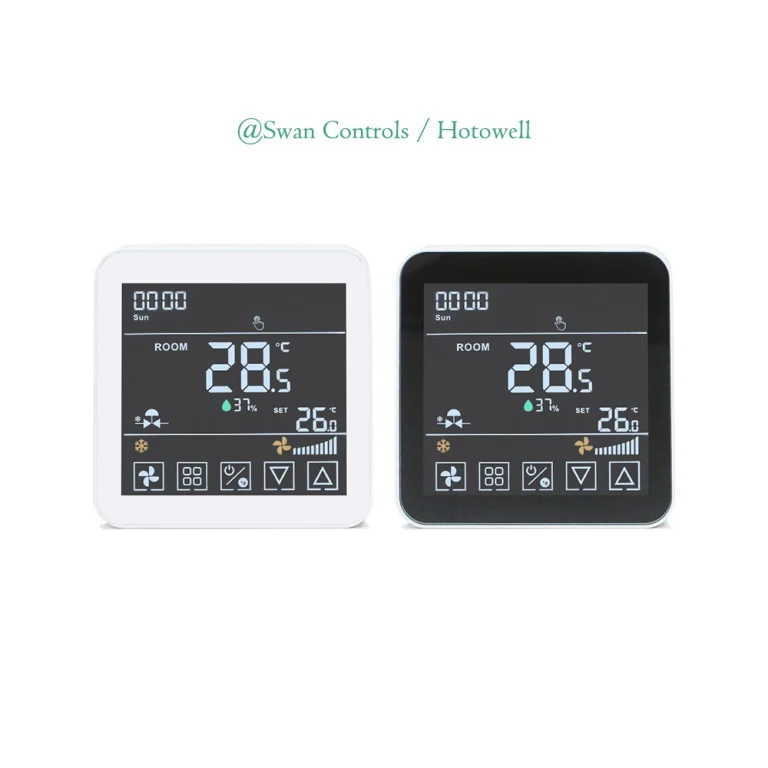
If the thermostat is intended for direct boiler heating control in a home or apartment, the buyer should confirm whether the product is being used to manage heating demand, room comfort, or both. A product such as a 220V boiler thermostat with Modbus or a house thermostat for water heating and boiler heating is easier to assess when the application is already defined clearly.
Water heating use
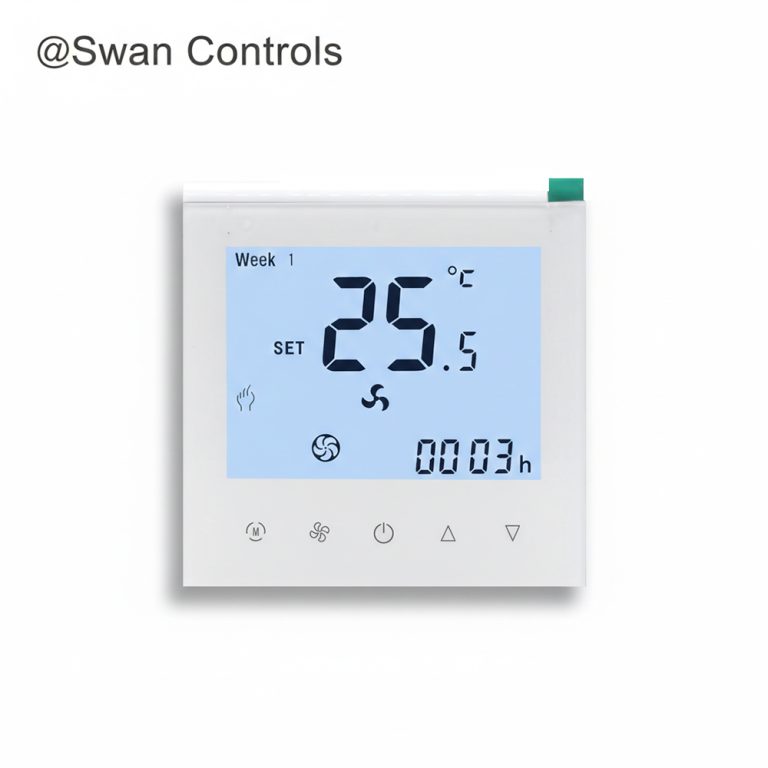
If the project is really a water heating application, the thermostat should be judged by water-heating control behavior rather than by broad boiler wording. A 3A water heating thermostat may be more suitable where stable heating demand matters more than advanced smart functions or decorative design.
Smart heating upgrade
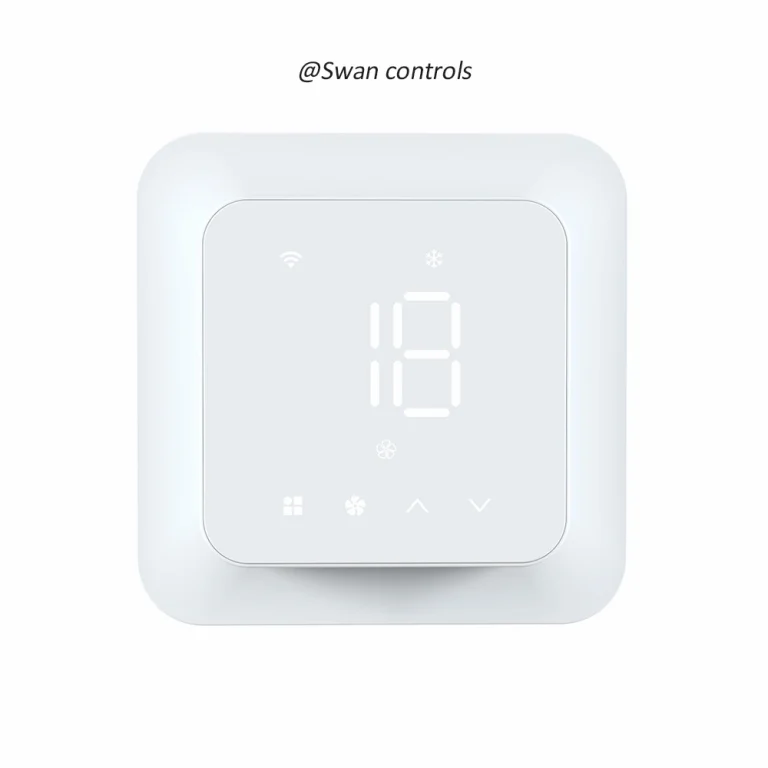
Some buyers are not looking for a basic thermostat. They are looking for a smarter upgrade to the existing heating system. In that case, smart thermostat features such as programming, app control, and stronger integration may matter more than a basic dial or simple on/off operation.
Project-based room control reference
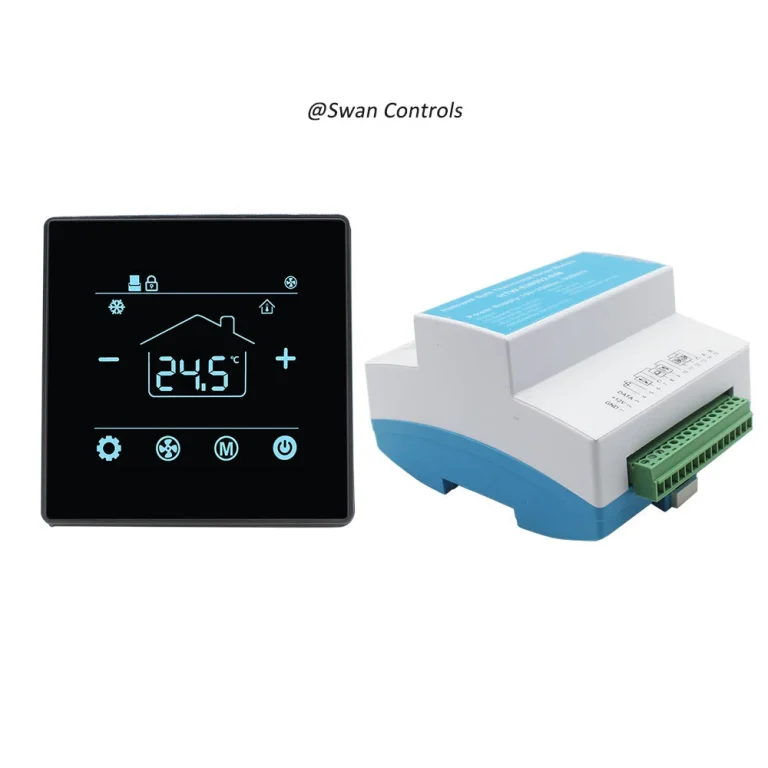
In some projects, the buyer uses boiler thermostat as a general term even though the real project is a wider room-control application. That is why room control references are still useful. Products such as a keycard HVAC thermostat or a 24VDC output PICV thermostat with Modbus may not be classic domestic boiler thermostats, but they remind buyers that thermostat selection should always begin with the actual control role.
Check Whether It Is Really a Boiler Thermostat or a Room Thermostat
This is the most common point of confusion in overseas inquiries. Buyers often say boiler thermostat when they mean room thermostat, or room thermostat when they are actually concerned with boiler-side temperature behavior.
| Control Type | Main Job | What Buyers Should Check |
|---|---|---|
| Boiler thermostat | Helps manage boiler water or flow temperature | Flow temperature logic, boiler compatibility, heating efficiency goal |
| Room thermostat | Monitors room air temperature and calls for heat | Setpoint control, location, room comfort role, wiring logic |
| Smart heating control | Adds scheduling, app control, or advanced logic | Compatibility, control method, smart function value, system fit |
For overseas buyers, the practical lesson is simple. Before you compare models, confirm what type of thermostat role the project actually needs. That one step removes a large share of boiler thermostat buying mistakes.
Check Flow Temperature Logic Before Ordering
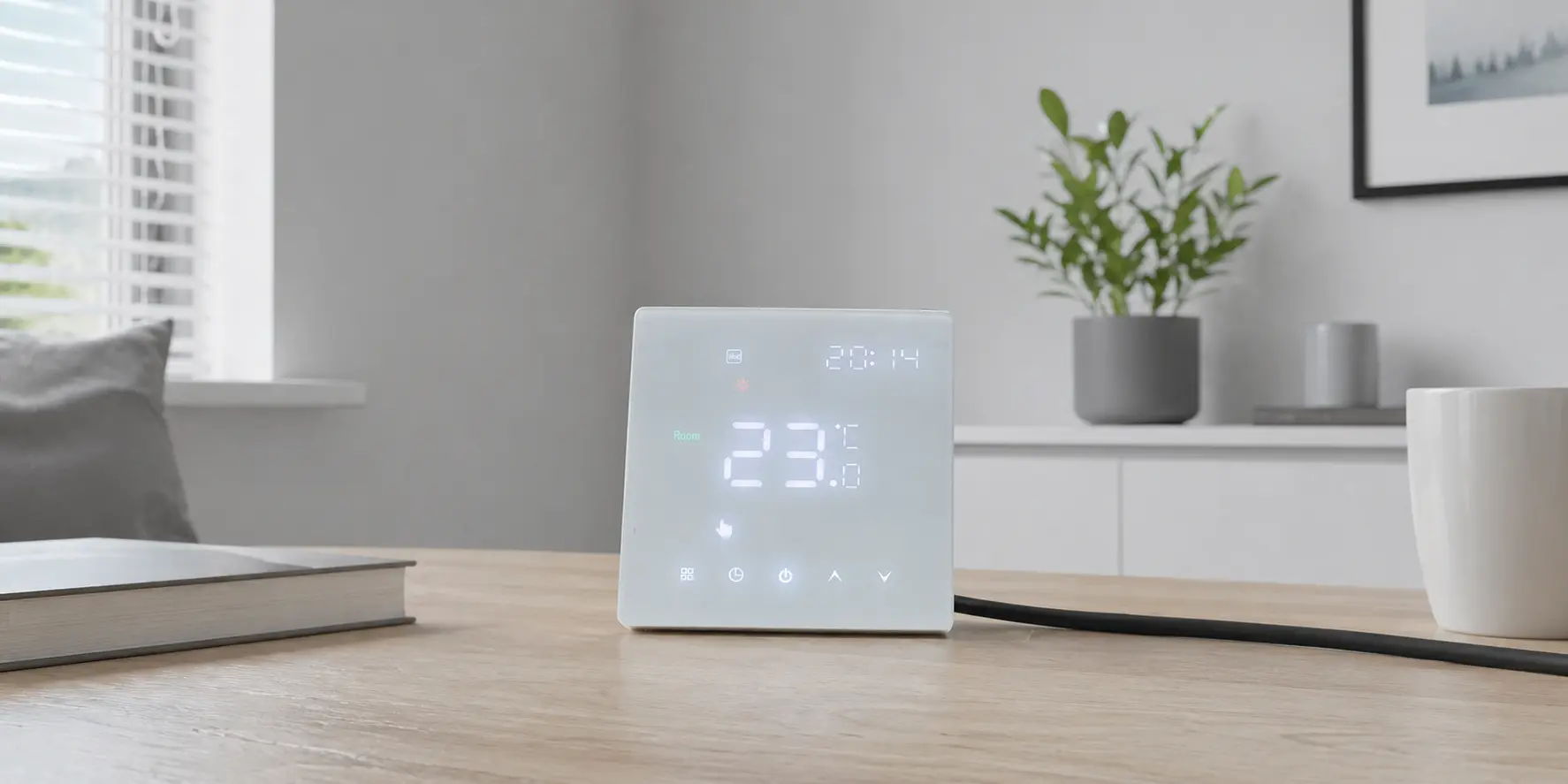
One of the most practical buying checks is also one of the most overlooked: flow temperature logic. A boiler thermostat is not only about switching heating on or off. It is also about how the system manages the temperature of the water going out from the boiler into the heating loop.
This matters because higher is not always better. If the boiler flow temperature is higher than it needs to be, the system may still heat the building, but the boiler may not be operating as efficiently as it could. For condensing systems in particular, lower return temperature can support more efficient operation. That means a buyer should not think only in terms of “maximum temperature.” The more practical question is whether the thermostat and control logic help the system run at a temperature that suits the actual heating demand.
For overseas boiler thermostat buyers, this changes the selection mindset. The best product is not automatically the one with the highest range or the most aggressive control response. The better product is usually the one that fits the heating load, the boiler type, and the control strategy of the actual project.
Check Wiring and Call-for-Heat Logic
Another point buyers often leave too late is wiring and call-for-heat logic. A thermostat may look suitable in a catalogue and still prove inconvenient or incompatible on site if its control logic does not match the boiler’s expected wiring arrangement.
At the buying stage, the buyer does not need to produce a full field wiring manual. But they should still confirm the basic control expectation. Is the thermostat intended to send a simple heating demand signal? Does the project expect a standard room thermostat path? Does the boiler use a specific communication or relay arrangement? These questions reduce the risk of ordering a thermostat that fits the visual brief but not the actual heating logic.
This is especially important in export orders, where the installation team, the product supplier, and the project owner may all be in different countries. In that environment, unclear wiring assumptions become more expensive than they would in a local purchase.
Check Whether Smart Thermostat Features Are Really Needed
Smart thermostat features are useful, but not every boiler project needs them. This is one of the most important buying judgments for overseas customers. If the project only needs stable room comfort and a simple call-for-heat function, a practical room thermostat or boiler-oriented control may be enough. If the project needs schedules, app access, remote management, or more adaptive behavior, a smart thermostat may offer real value.
Modern controls can also go beyond app control alone. More advanced heating controls may support load compensation or weather compensation, which means the heating output is adjusted more intelligently based on demand rather than always running at one strong level until the room is warm enough. This can improve comfort and reduce waste.
The important buying question is not “Is smart better?” The better question is “Which smart features will actually help this project?”
Check the Full Documentation Package Before Order Confirmation
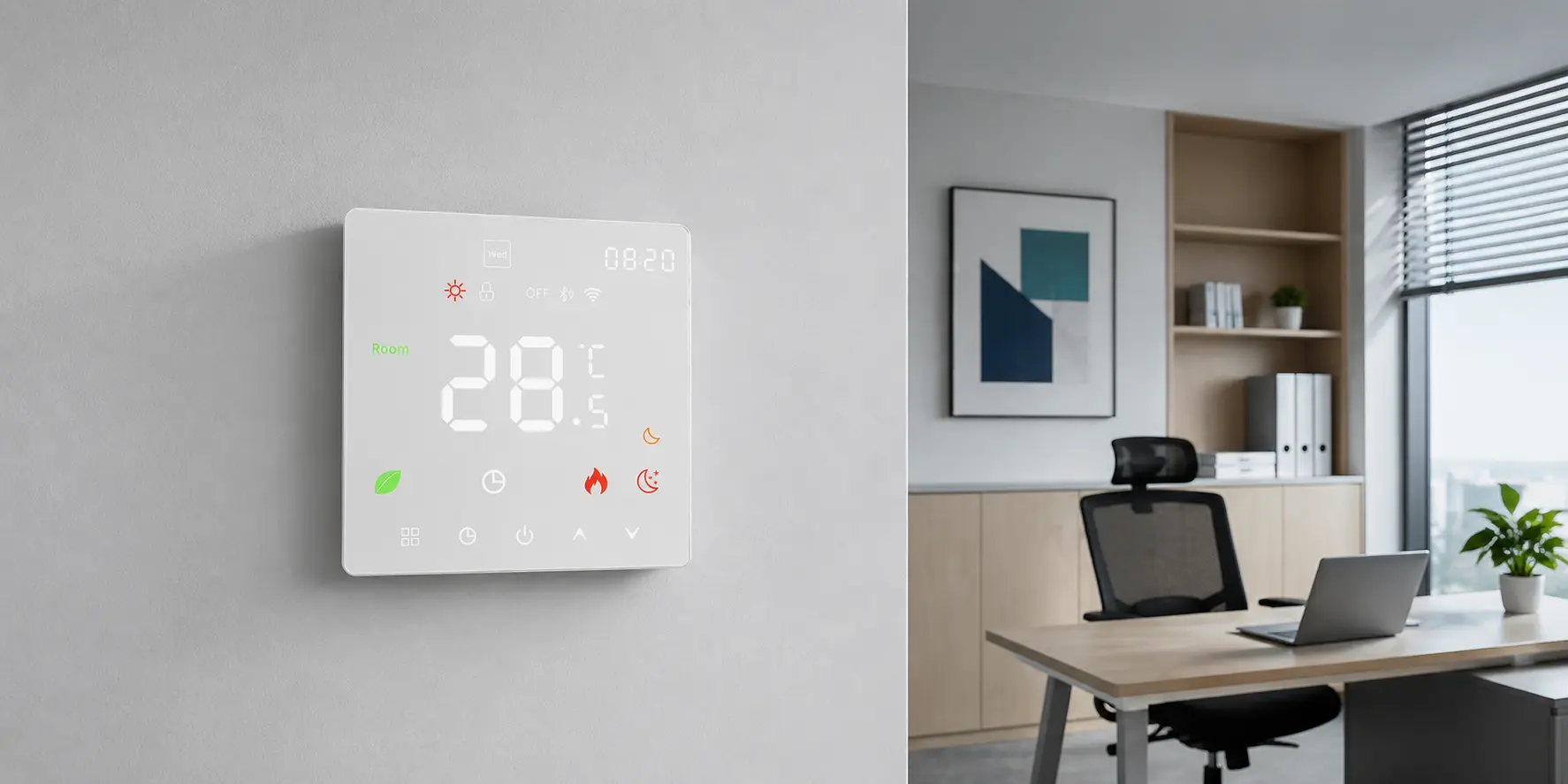
For export thermostat projects, documentation should be treated as part of the product. A supplier may have a suitable thermostat, but if the datasheet, wiring diagram, compatibility notes, and installation guidance are weak or incomplete, the overseas buying experience becomes harder.
This is especially true for boiler thermostat orders, where many buyers need to clarify whether the product is intended for room control, boiler-side control, or a wider smart heating setup. Good documentation should make that clear. At a minimum, the buyer should expect a usable datasheet, wiring information, application explanation, and a clear product role description.
For B2B buyers, this is not a small issue. It affects not only installation, but also technical sales, after-sales support, and project approval confidence.
Expert Commentary: Most Boiler Thermostat Buying Problems Start Before Shipping
Many boiler thermostat problems do not begin in the heating season. They begin during buying. The buyer believes they are ordering a boiler thermostat, but the actual project needs a room thermostat. Or the buyer focuses on smart features before confirming the heating role. Or the supplier sends a general product description, but the buyer’s real concern is flow temperature and boiler behavior. None of these problems are dramatic on paper. But they become very costly once the product reaches the project site.
This is why a practical buying guide should focus on the questions that prevent confusion early. Control role, wiring expectation, flow temperature logic, and smart compatibility all belong in the decision before ordering, not after the shipment arrives.
We support thermostat projects for boiler heating, water heating, room control, hotel HVAC, and commercial heating environments where buyers need to confirm the real heating logic before they compare models.
Scientific Data and What It Means for Buyers
Public heating-control guidance shows why settings and control method matter. Lowering boiler flow temperature when it is higher than needed can improve efficiency by lowering return temperature. Room thermostat settings between 18°C and 21°C are also commonly recommended as a practical range to balance comfort and savings.
More advanced control approaches can do even more. Load compensation allows the boiler to reduce output when only a small increase in temperature is needed. Instead of running harder than necessary, the boiler can deliver heat in a more measured way. This helps support comfort, reduce unnecessary energy use, and in some cases support longer boiler life.
For overseas buyers, the practical message is clear. The most useful thermostat is not automatically the most powerful-looking one. It is the one that helps the heating system behave correctly in the real project.
Real-World Cases and User Feedback
Case 1: Buyer confused room thermostat with boiler thermostat
A buyer requested a boiler thermostat for a home heating project, but after technical review it became clear that the real need was a room thermostat with a simple heating demand role. Once the control role was clarified, product selection became easier and the wrong model comparison stopped.
Case 2: Water heating project focused on appearance first
In a water heating control project, the first product shortlist was based mainly on display style. Later, the buyer realised that heating logic and output behavior were more important than the interface. That shifted the discussion from surface design to actual control fit.
Case 3: Smart upgrade discussion without control-role confirmation
Another buyer wanted a smart upgrade for a boiler project, but the original inquiry did not clearly define whether the site needed app access, scheduling, or better room comfort control. Once the real requirement was clarified, the thermostat evaluation became much more realistic.
User feedback pattern: Buyers rarely complain that they checked too much before ordering. They usually complain that they assumed too much. In boiler thermostat projects, clear buying checks almost always save time later.
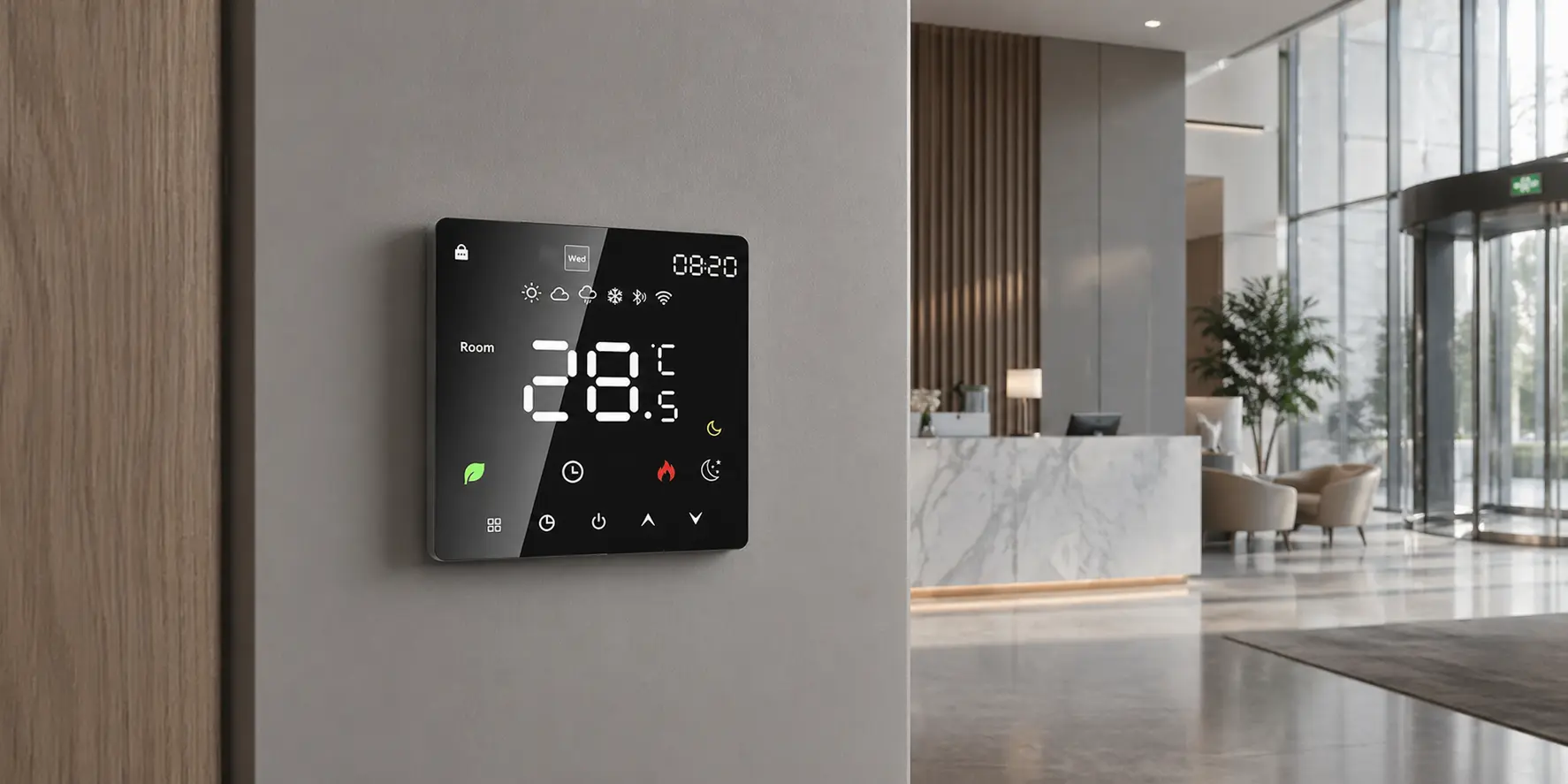
A Practical Boiler Thermostat Checklist Before Selection
- Confirm the heating application.
- Confirm whether the product role is boiler thermostat or room thermostat.
- Confirm the control logic and heating demand path.
- Confirm flow temperature and efficiency expectations.
- Confirm whether smart control or scheduling is required.
- Confirm wiring and compatibility assumptions.
- Confirm the documentation package and support level.
This checklist is simple, but it helps buyers compare boiler thermostat options with much better accuracy.
Frequently Asked Questions
1. What should I check before buying a boiler thermostat?
You should check the real heating application, whether the product role is boiler thermostat or room thermostat, the control and wiring logic, the flow temperature expectation, and whether smart features are actually needed for the project.
2. Is a boiler thermostat the same as a room thermostat?
No. A boiler thermostat mainly relates to boiler water temperature, while a room thermostat monitors room air temperature and tells the heating system when heat is needed.
3. What is the best boiler thermostat setting for efficiency?
There is no single best setting for every project. The most practical goal is to use a flow temperature that is high enough to heat the building properly but not higher than necessary, because unnecessarily high flow temperature can reduce efficiency.
4. Can a smart thermostat work with a boiler?
Yes, many smart thermostats can work with boilers when they are compatible with the heating system. They may add scheduling, app control, and other smarter heating features to the basic boiler control arrangement.
5. How do I know if a boiler thermostat is compatible with my project?
You should confirm the control role, the heating application, the wiring or demand logic, and whether the thermostat fits the real boiler and room control arrangement in the project before ordering.
For overseas buyers, the best boiler thermostat is not simply the one with the nicest screen or the lowest price. It is the one that matches the real heating role, the wiring logic, the control strategy, and the documentation requirement of the project. If those points are clear before ordering, the buying process becomes much safer and much more efficient.
References / Sources
- Energy Saving Trust, Heating controls
- Energy Saving Trust, When should I put my heating on?
- Worcester Bosch, Boiler Controls Explained
- Worcester Bosch, Boiler Controls
- Worcester Bosch, Different Controls
- Vaillant Professional, Domestic Controls Brochure January 2025
- Vaillant Professional, sensoHOME / sensoHOME RF
- Vaillant Professional, sensoCOMFORT / sensoCOMFORT RF
- Honeywell Home, My thermostat is set to heat, but my boiler isn’t coming on. Why?
- Wikipedia, Thermostat