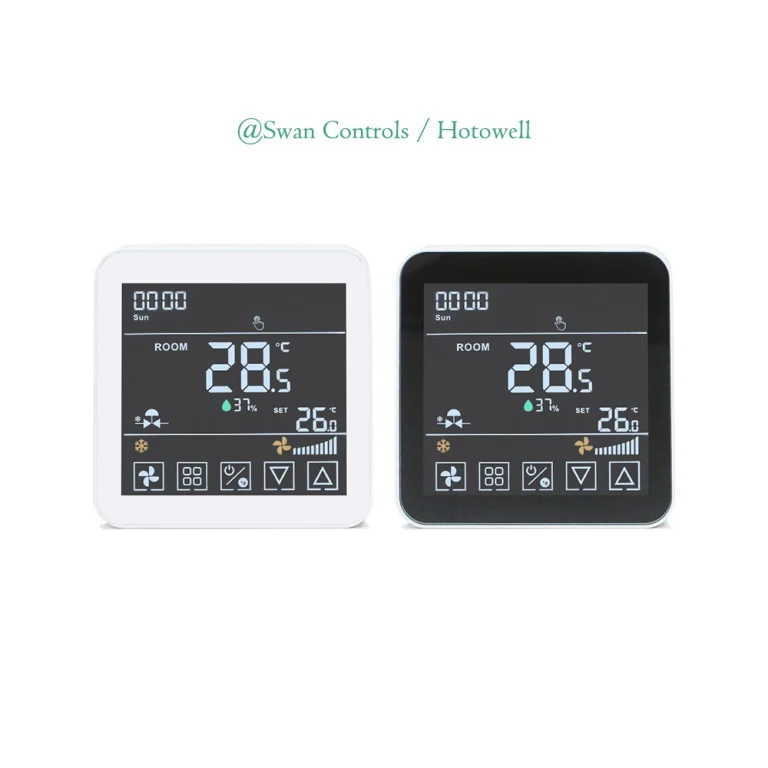
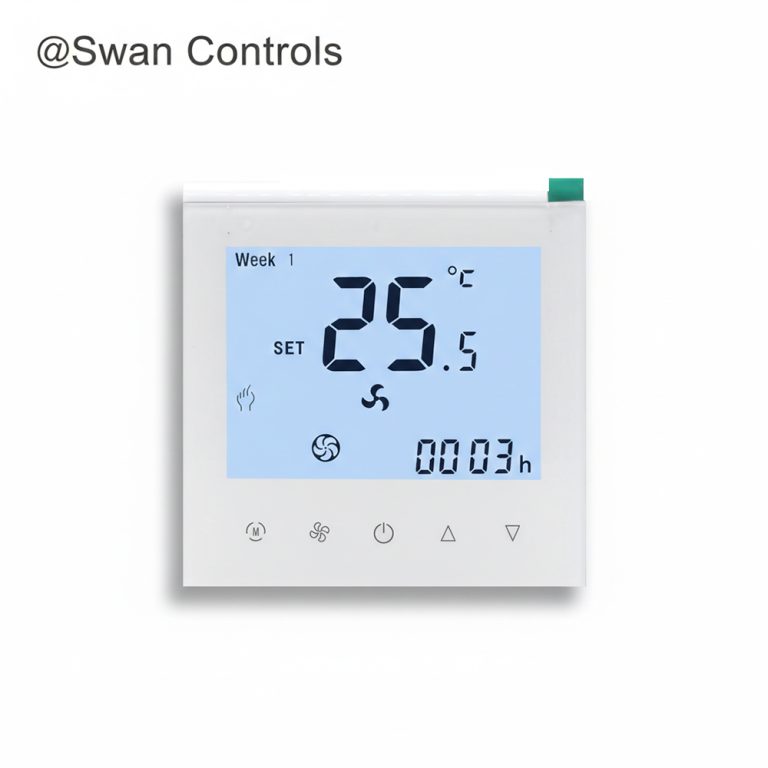
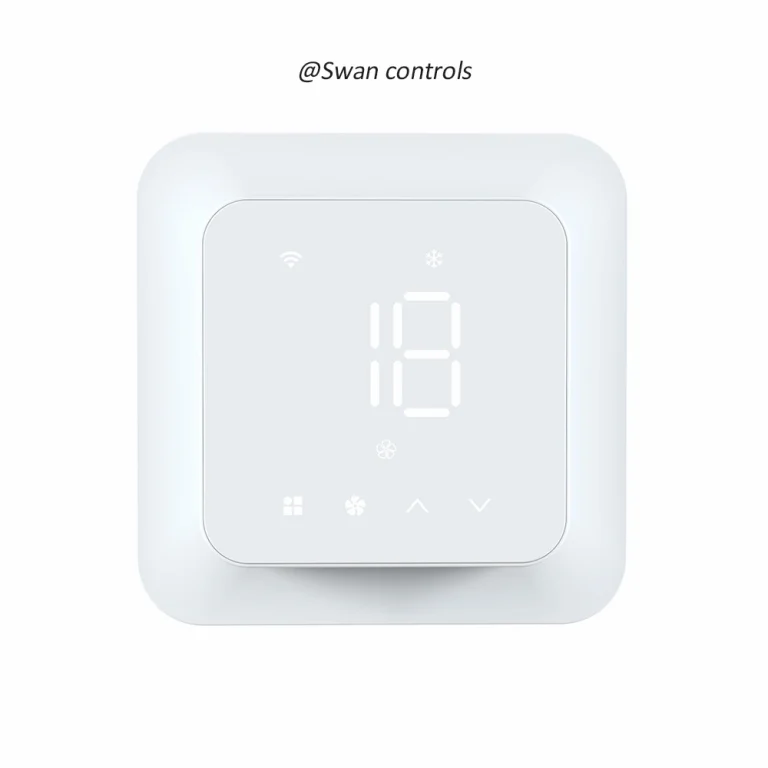
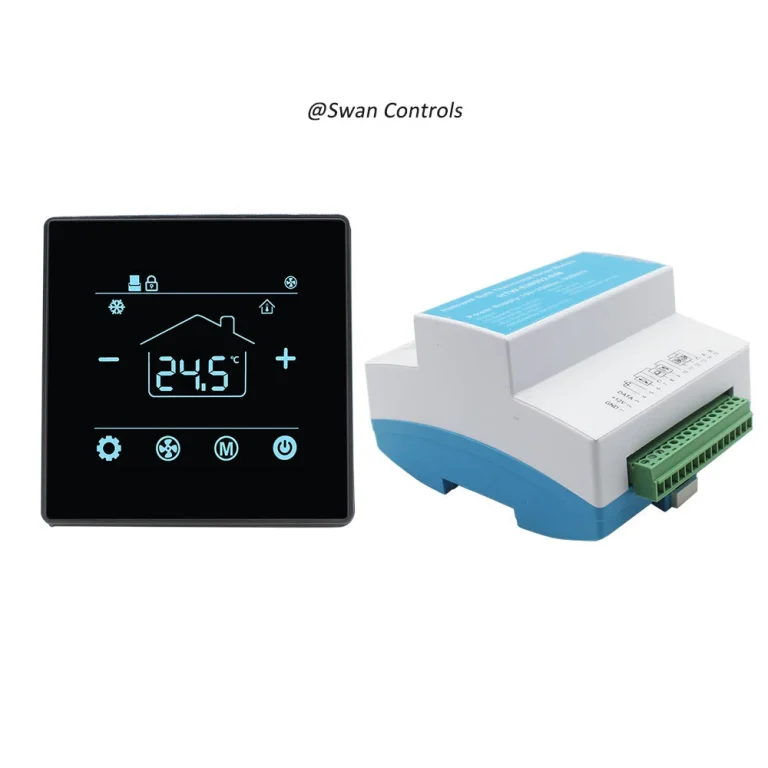
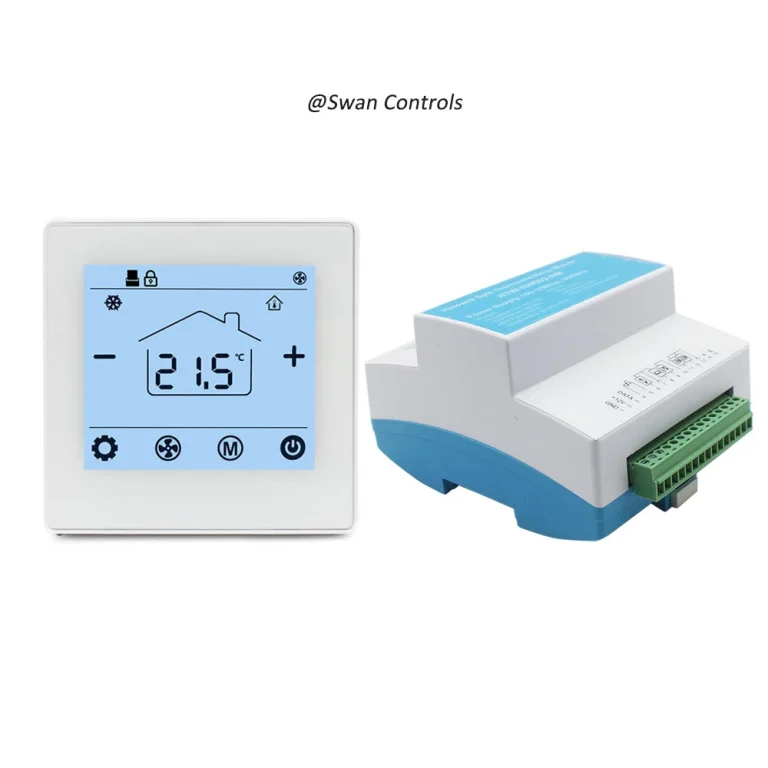
“Do we really need a wireless programmable thermostat for this heating project?”
“That depends on the heating system, the installation limits, and whether scheduling and wireless control will create real value after installation.”
That short exchange reflects the real buying question much better than a long list of product features. Many people first notice a wireless programmable thermostat because the screen looks modern, the product sounds convenient, or the idea of wireless control feels more advanced than a traditional thermostat. But in a real project, the better question is not whether the thermostat looks smarter. The better question is whether it actually solves a practical problem. Does it reduce wiring difficulty? Does it allow better time-based heating control? Does it suit the real heating system? Does it fit the way the room is used every day?
Those questions matter because a wireless programmable thermostat is not automatically the best choice for every heating project. It is often a very good choice when the installation environment is restrictive, when the user wants flexible room placement, or when schedule-based heating control can improve comfort and reduce unnecessary running time. But it is not a universal answer for every system. In the product category discussed in this article, the thermostat is mainly used as a water heating thermostat for electric valve control. It can also be used for boiler control when the boiler supports dry-contact room thermostat input. That point must be kept clear from the beginning. It should not be described as a universal controller for every boiler system or every heating design.
This article therefore focuses on the real project logic behind the product. It explains what a wireless programmable thermostat is, how it differs from a WiFi thermostat or a simple wireless thermostat, where it creates practical value, when it may not be the best answer, and what buyers should confirm before choosing one. The goal is not to make the product sound more complex. The goal is to help buyers make a cleaner decision.
Quick Summary: The 4 Situations Where a Wireless Programmable Thermostat Is Usually Worth Choosing
A wireless programmable thermostat is usually worth choosing in four common situations. First, it makes sense when rewiring is inconvenient, expensive, or disruptive. Second, it becomes more valuable when daily schedules really matter, such as in homes, rooms, or heating zones with clear occupancy patterns. Third, it is worth choosing when the heating system itself is compatible, especially in water heating systems using electric valve control, or in boiler projects where the boiler supports dry-contact room thermostat input. Fourth, it becomes more practical when flexible thermostat placement improves installation quality or everyday user experience. If none of these conditions exist, a simpler thermostat may sometimes be enough.

What Is a Wireless Programmable Thermostat?
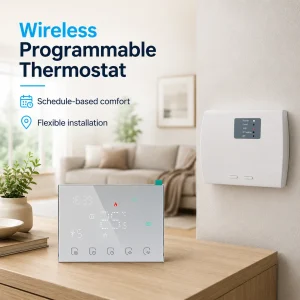
A wireless programmable thermostat is a thermostat that combines two practical capabilities. The first is programmable control, which means the thermostat can follow scheduled heating periods rather than only simple manual setpoint changes. The second is wireless control architecture, which reduces installation restrictions by allowing the thermostat and the receiving control side to communicate without needing the same kind of fixed signal wiring between the room unit and the controlled device.
In simple terms, a programmable thermostat helps decide when heating should run. A wireless thermostat helps decide where the room unit can be placed and how easily it can be added to an existing space. When these two functions are combined, the result can be very practical in retrofit work, finished interiors, or heating projects where the user wants schedule-based comfort without complicated wall rewiring.
In the product category discussed here, this type of thermostat is mainly used for water heating systems with electric valve control. It can also be used for boiler control, but only when the boiler supports a dry-contact room thermostat input. That system boundary matters because the right thermostat choice always starts with real compatibility, not with feature labels.
Programmable vs Wireless vs WiFi: What Is the Difference?
These three terms are often mixed together in product discussions, but they do not mean the same thing. A buyer who treats them as identical can choose the wrong thermostat for the project.
| Term | Main Meaning | Project Value |
|---|---|---|
| Programmable thermostat | Time-based schedule control | Better daily routine control and energy management |
| Wireless thermostat | Flexible control architecture without fixed signal wiring between room unit and receiver | Easier retrofit and reduced wiring constraints |
| WiFi thermostat | Thermostat connected to a wireless network for remote access | App-based control, monitoring, and easier remote adjustment |
This distinction is important because a thermostat can be programmable without WiFi, wireless without WiFi, or WiFi-enabled without being the best answer for every installation. In many projects, buyers are first attracted by WiFi, but the stronger real value actually comes from programming and installation flexibility. That is why system fit and installation logic should be considered before app convenience.
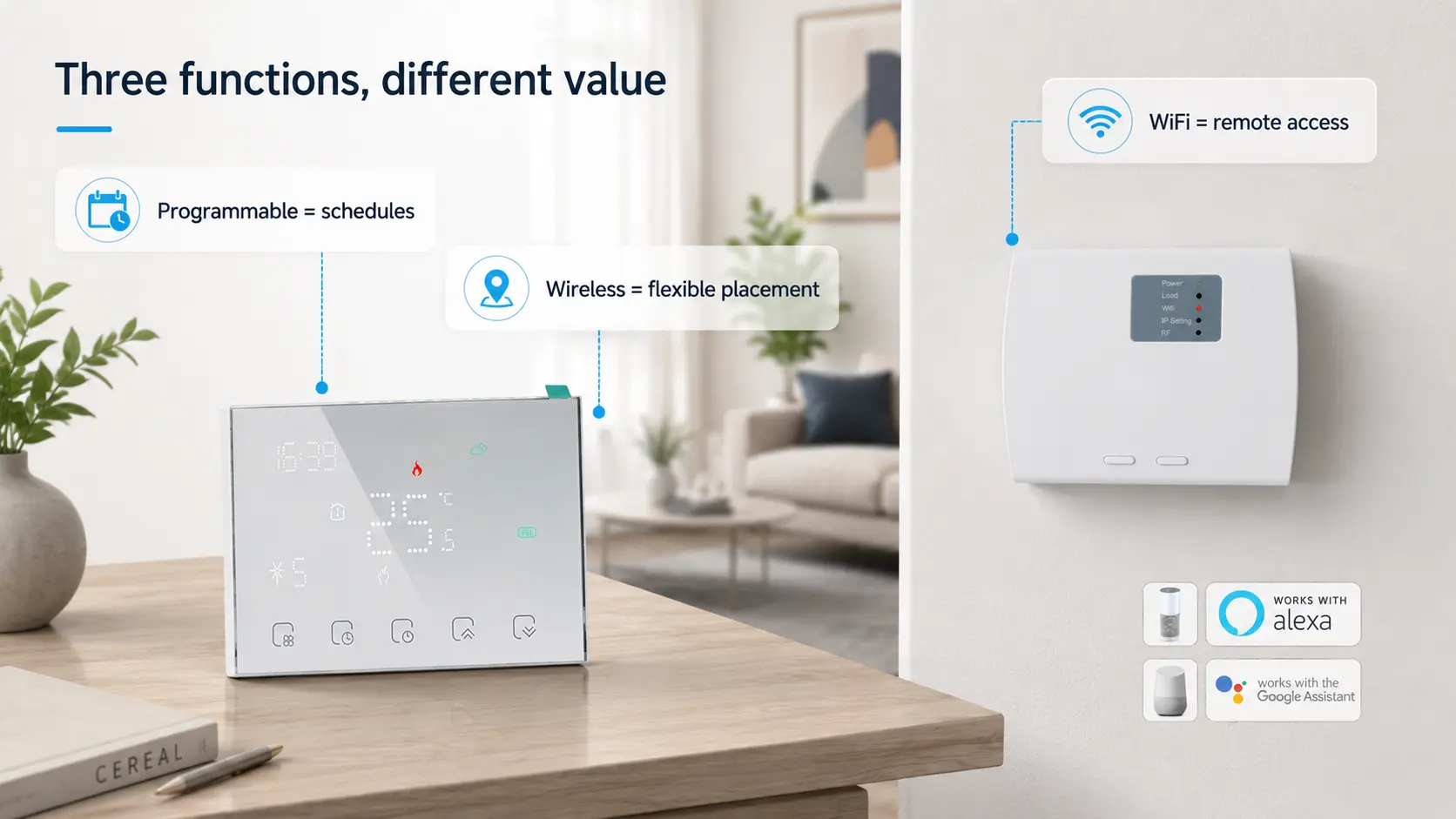
How This Product Category Works in Real Heating Projects
For this product category, the thermostat is mainly used in water heating systems for electric valve control. That means the thermostat is generally part of a heating arrangement where room temperature demand controls an electric valve rather than directly driving every possible heating source type. This is the primary project path and should be the first buying assumption.
The same thermostat can also be used in boiler-related projects when the boiler supports a dry-contact room thermostat input. This condition is important. The thermostat should not be described as universally suitable for any boiler system without first checking the boiler’s actual control requirements. A buyer who ignores this point may later think the thermostat is incompatible, when the real issue is that the boiler control input expectation was never checked carefully enough.
From the wiring side, buyers should also understand the terminal logic clearly. In this product family, the terminals are L, N, NO, NC, and COM. That is not a small detail. It is part of the practical compatibility check. A thermostat may look correct from the front, but the real decision still depends on how it needs to be wired into the heating system.
When Is a Wireless Programmable Thermostat Worth Choosing?
When rewiring is inconvenient
This is one of the strongest reasons to choose a wireless thermostat. In finished interiors, retrofit projects, or buildings where opening walls would be messy or expensive, wireless control can solve a real installation problem. In these cases, the value is not theoretical. It is immediate and practical.
When schedule-based heating really matters
A programmable thermostat is most useful when the room follows a routine. If the heating system serves spaces with predictable occupancy patterns, time-based schedule control can improve comfort while reducing unnecessary runtime. When the room is empty for large parts of the day, schedule logic is often more valuable than constant manual adjustment.
When the heating system is compatible
The thermostat should be selected only when the system itself supports the intended control logic. In this product category, that usually means water heating systems with electric valve control, or boiler systems that accept a dry-contact room thermostat input. Compatibility must be checked before the wireless or programmable feature set is treated as a benefit.
When placement flexibility improves the project
A wireless programmable thermostat can be more useful when the best sensing and user-control position is not the easiest wired position. Flexible placement can improve both installation quality and daily use, especially when the room layout or finished decoration limits where a wall control should go.
When Is It Not the Best Choice?
A wireless programmable thermostat is not automatically the best option in every project. If the system is not compatible, if the project has no real scheduling need, or if wired installation is already easy and clean, then the extra wireless layer may not create enough practical value.
This is especially true when buyers are drawn only by the idea of a “smarter” thermostat without first checking what problem it is supposed to solve. A product should be chosen because it improves installation, control logic, or user experience in a measurable way. If it does not, then the more advanced-sounding option may simply become a more expensive one.
So the right question is not “Is wireless programmable better?” The better question is “What problem does wireless programming solve in this project?” If the answer is weak, the product may not be the strongest fit.
Why It Often Makes More Sense in Retrofit Projects
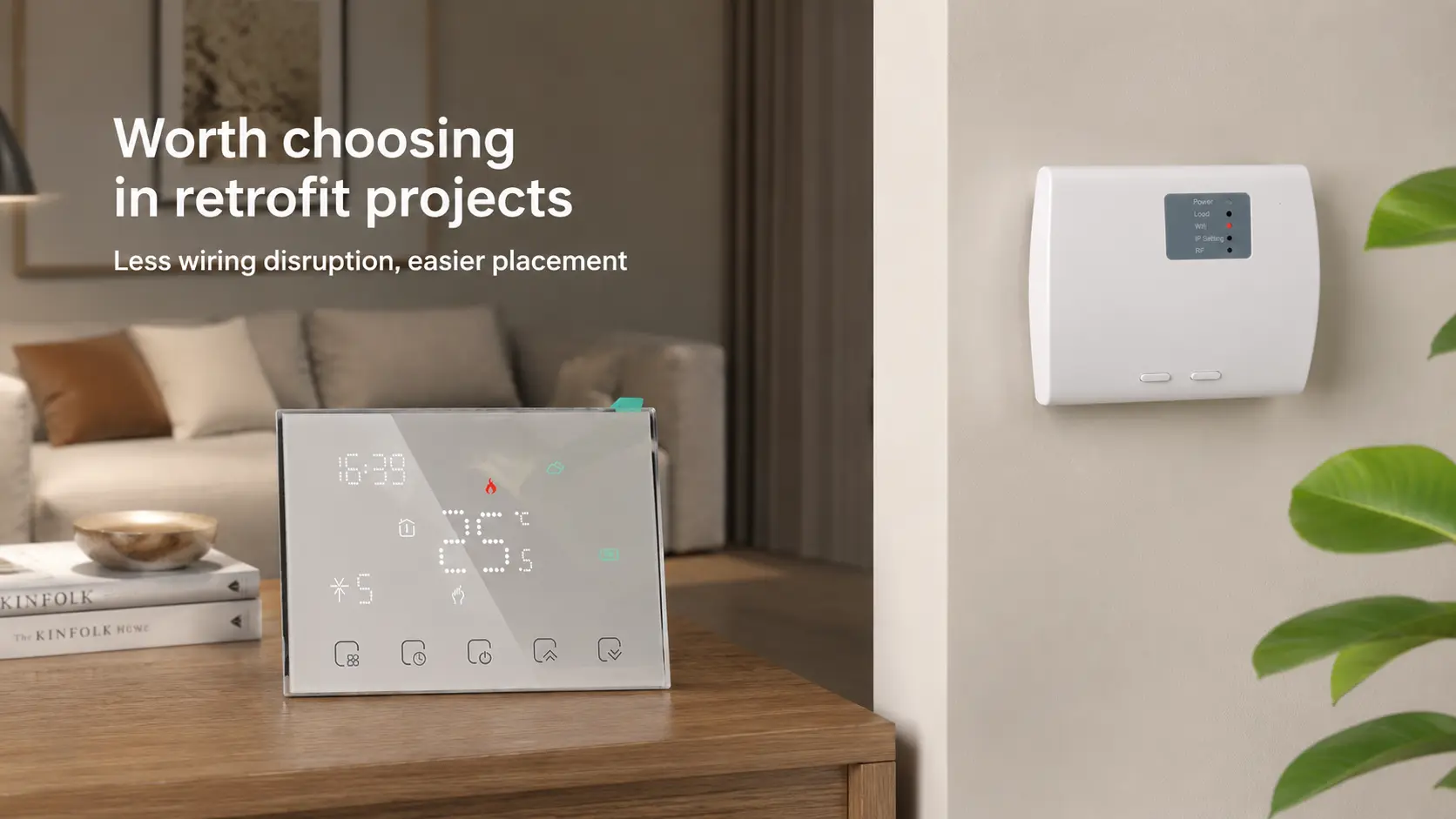
Retrofit work is one of the clearest environments where a wireless programmable thermostat becomes easier to justify. In a new-build project with open access, a wired solution may already be simple to install. In an existing property with finished walls, completed decoration, and limited routing options, the installation situation changes completely.
That is why wireless thermostat value is often higher in renovation, upgrade, or partial system replacement projects. The buyer is no longer comparing only thermostat functions. The buyer is also comparing installation disruption, labor difficulty, and how much compromise must be accepted to place the thermostat in a sensible position.
In these projects, the thermostat is not simply a control choice. It is also part of the installation strategy. That is often where wireless control becomes truly worth choosing.
Water Heating vs Boiler Use: What Buyers Must Confirm First
This is one of the most important sections in the whole article because it defines where the thermostat really fits. For this product category, the primary application is water heating thermostat use for electric valve control. That should be the first assumption, not a side note.
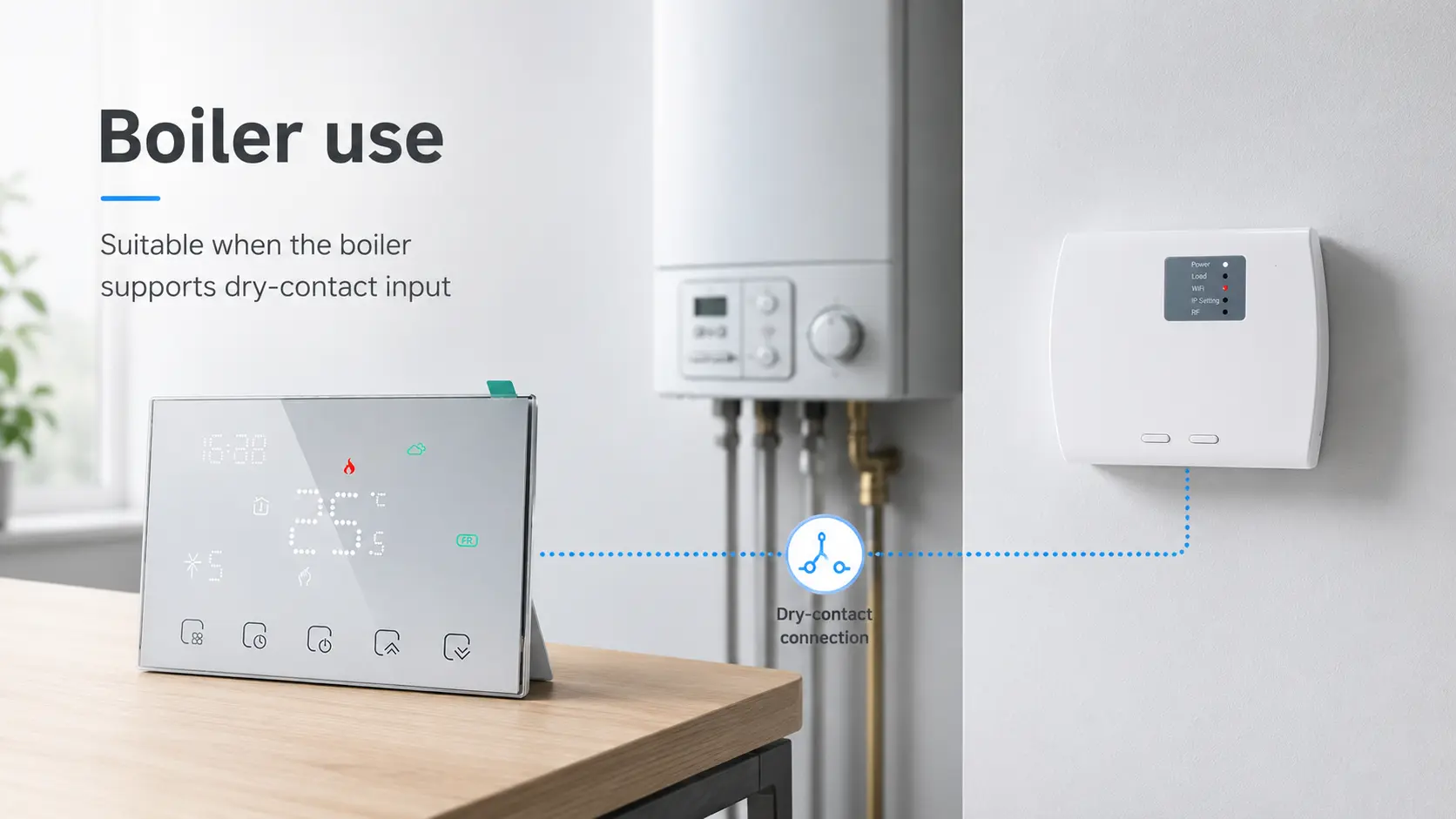
Boiler use is also possible, but only when the boiler supports dry-contact room thermostat input. That condition should never be skipped. Buyers sometimes hear the phrase “boiler thermostat” and assume broad compatibility. That is risky. The smarter and more accurate wording is that the thermostat can also be used for boiler control when the boiler supports a dry-contact room thermostat input. That is a much safer and more professional selection rule.
In practical project work, this means the buyer should confirm three things before ordering. First, confirm whether the heating system is really a water heating system with electric valve control or a suitable dry-contact boiler setup. Second, confirm how the control terminals need to be used in the actual installation. Third, confirm whether schedule-based wireless control creates enough value in that system to justify the chosen thermostat type.
What Wireless Programmable Thermostat Buyers Often Overlook
- They assume wireless always means WiFi, even though installation architecture and app connectivity are different questions.
- They assume all boiler systems are suitable, without checking dry-contact compatibility first.
- They focus too much on screen style and not enough on heating-system logic.
- They underestimate the value of schedule control and overestimate the value of visual features.
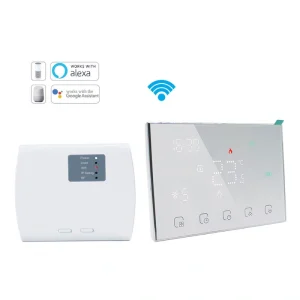
- They forget to check the receiver-side or paired control architecture clearly.
- They assume all heating systems use the same thermostat logic.
These mistakes are common because wireless programmable thermostats are often marketed by visible features first. But real project value still comes from compatibility and control logic before appearance.
WiFi Adds Convenience, but It Is Not the First Decision Point
Some models in this product family also include WiFi. That can be useful. It adds easier remote access, quicker setpoint adjustment, and more convenient control when the user is away from the room. But WiFi should not be the first selection criterion.
The stronger logic is this: first confirm that the heating system is compatible. Then confirm that wireless installation flexibility is useful. Then confirm that schedule-based control adds real value. Only after those points are clear should WiFi convenience be judged as an additional benefit.
This order matters because a WiFi thermostat that is wrong for the system is still the wrong thermostat. Remote access is helpful only when the product is already a good fit for the actual heating application.
Product Paths for Different Buyer Needs
Different buyer priorities can lead to different product paths. If the project is mainly about stable 230V heating control with WiFi and wireless convenience, a model such as the durable CE 230V programmable WiFi wireless boiler thermostat may be a stronger reference. If the buyer prefers battery-powered flexibility with WiFi and a more compact heating-controller positioning, the 3A LED screen battery WiFi wireless heating thermostat temperature controller becomes a useful direction.
For projects that value a more modern interface with WiFi wireless control in heating or suitable boiler-linked scenarios, the smart LED screen touch-button 3A WiFi wireless boiler heating thermostat offers another path. If the buyer wants a simpler battery-powered wireless thermostat for water heating control, the battery-use 3A wireless heating thermostat for water heating is more directly aligned. And if the project needs a practical battery wireless thermostat for water heating or compatible boiler heating use, the LED screen 3A battery wireless heating thermostat for water heating and boiler heating is also a useful reference.
These links do not mean every model suits every installation equally. They show that buyers should choose according to system fit, installation logic, battery or WiFi preference, and actual day-to-day control needs.
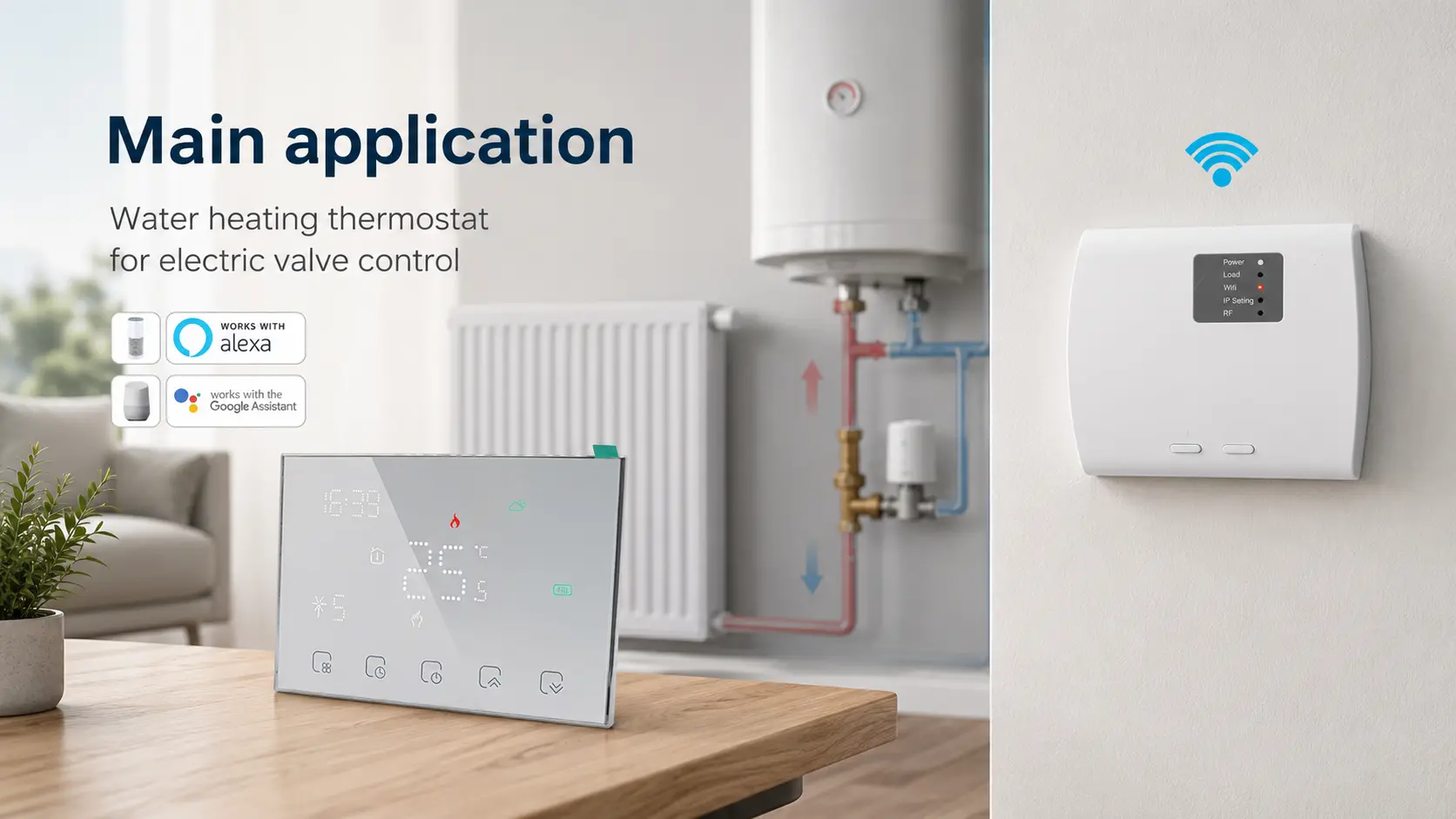
Expert Commentary: The Best Wireless Thermostat Usually Solves an Installation Problem First
One of the most common buying misunderstandings is that people think they are choosing “smartness” first. In many real heating projects, they are actually choosing easier installation and better routine control. That is why the best wireless thermostat is often not the one with the longest feature list. It is the one that removes the biggest project obstacle without creating a new compatibility risk.
In some projects, that obstacle is difficult rewiring. In others, it is inconsistent daily heating behavior. In others, it is poor placement flexibility. A wireless programmable thermostat becomes more valuable when it solves one of these problems clearly. If it does not, then even an attractive product may fail to create real project value.
Industry Trend: Why Flexible Heating Control Keeps Growing
Heating control is gradually becoming more flexible, more user-facing, and more schedule-driven. Buyers increasingly expect thermostats not only to switch heating on and off, but to fit daily life better. That is one reason programmable and wireless solutions continue to attract interest. They let the control strategy adapt to how the space is really used rather than forcing the user into a fixed installation pattern.
At the same time, this trend also creates more selection mistakes. Buyers sometimes jump too quickly to WiFi or wireless branding without checking the heating system first. So the growing market trend does not reduce the need for product judgment. It increases it.
Scientific Data and What It Means
Programmable thermostat logic is important because schedule-based setback control can reduce unnecessary heating and cooling operation when applied properly. Public guidance frequently cites annual savings potential when temperature schedules are used intelligently instead of keeping the same setting all day. The practical meaning for buyers is straightforward: programming matters most when the room has a real occupancy routine. Wireless value matters most when installation flexibility matters. WiFi value matters most when remote access matters. These three benefits overlap, but they should still be judged separately when choosing a thermostat.
Real Cases and User Feedback
Case 1: A renovation project where wireless solved the real problem
In one retrofit-style project, the thermostat discussion initially focused on interface style. Later, the team realized the bigger issue was installation disruption. Once that became clear, the wireless architecture became the real source of value, not the display alone.
Case 2: A water heating project where scheduling improved daily comfort
Another project used the thermostat in a water heating system with electric valve control. The main improvement did not come from remote access. It came from using programmable schedules more consistently so the room felt more ready when occupied and less wasteful when empty.
Case 3: A boiler project where dry-contact compatibility had to be confirmed first
In a third case, the buyer initially assumed the thermostat could be used broadly in boiler control. Once the system review began, it became clear that the first check had to be whether the boiler supported a dry-contact room thermostat input. That confirmation changed the buying discussion from “feature interest” to “real compatibility.”
User feedback pattern: Buyers rarely regret checking heating-system compatibility early. They more often regret assuming that wireless, WiFi, or programmable features automatically guarantee a better project fit.

Frequently Asked Questions
1. What is a wireless programmable thermostat?
A wireless programmable thermostat is a thermostat that combines schedule-based heating control with wireless installation flexibility, allowing the system to follow timed heating routines without relying on the same kind of fixed signal wiring between the room unit and receiver.
2. When is a wireless programmable thermostat worth choosing?
It is usually worth choosing when rewiring is inconvenient, when heating schedules add real value, and when the system is compatible with water heating electric valve control or a boiler that supports dry-contact room thermostat input.
3. Is a wireless programmable thermostat the same as a WiFi thermostat?
No. A programmable thermostat focuses on schedule-based control, a wireless thermostat focuses on installation flexibility, and a WiFi thermostat focuses on remote network access. Some products combine these functions, but they are not the same thing.
4. Can a wireless programmable thermostat be used for boiler control?
Yes, but only when the boiler supports a dry-contact room thermostat input. That compatibility should always be confirmed before ordering or installation.
5. What should I confirm before buying a wireless programmable thermostat?
You should confirm the heating-system type, whether the project is mainly water heating with electric valve control or a suitable dry-contact boiler setup, the terminal logic, the installation constraints, and whether programming and wireless control will create real value in daily use.
References / Sources
- U.S. Department of Energy | Programmable Thermostats |
- Resideo | WiFi Thermostats |
- Heatmiser | Wireless Thermostat Manual Finder |
- Heatmiser | neo System Overview |
- Honeywell Home / Resideo | Programmable Thermostats |
- Wikipedia | Programmable thermostat |
- Wikipedia | Thermostat |
- Wikipedia | Underfloor heating |
- U.S. Environmental Protection Agency | ENERGY STAR Smart Thermostats |
- Resideo | Smart Thermostats and Connected Controls |