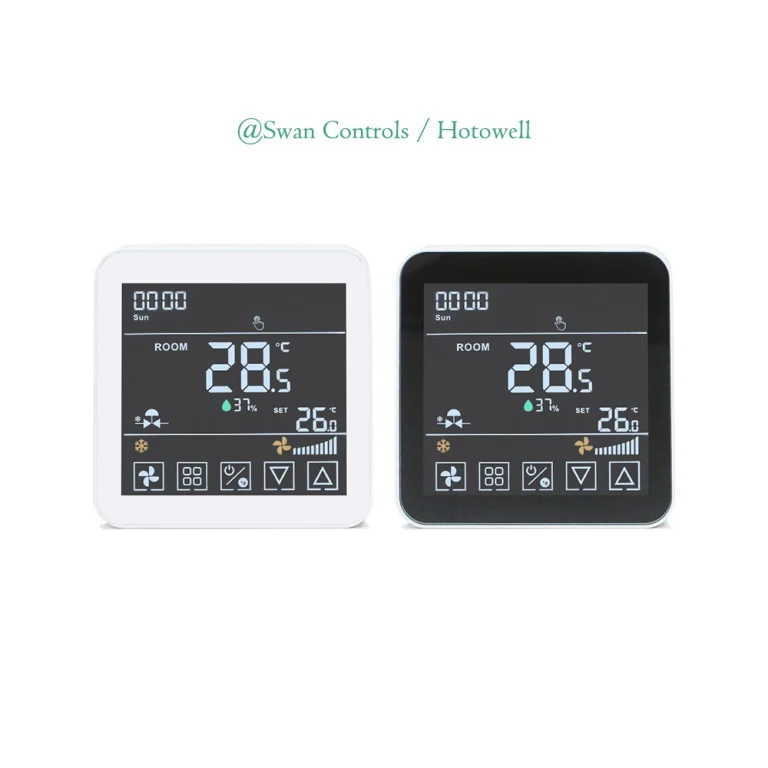
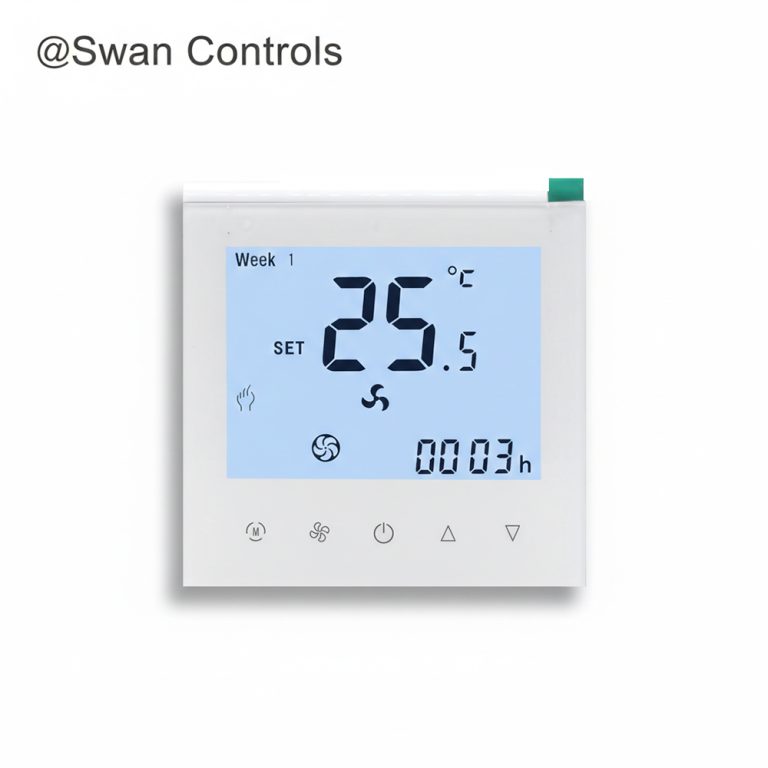
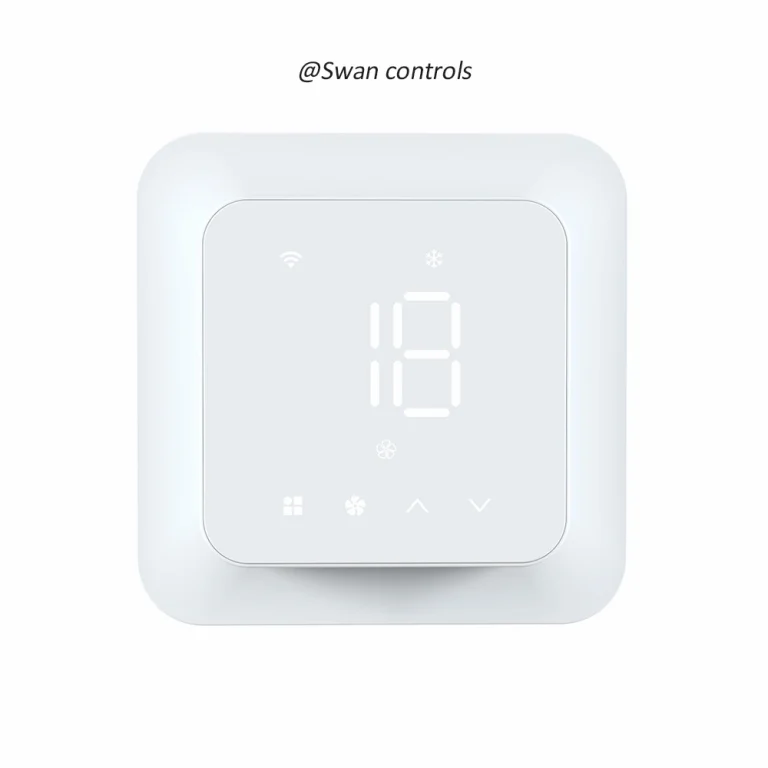
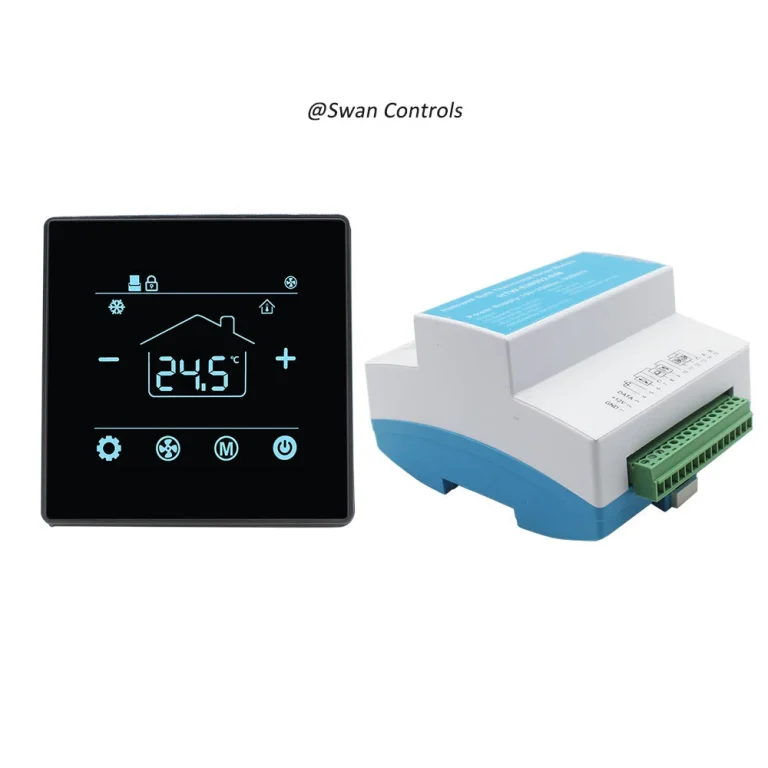
Quick Summary
For OEM projects, a wireless thermostat should not be chosen by price alone. The real value comes from stable receiver matching, reliable signal, correct relay output, clear manuals, consistent branding, packaging quality, and long-term supplier support. A wireless room thermostat may look simple, but OEM buyers must protect their brand from complaints, wrong installation, and unstable product batches. The best choice is the model that reduces after-sales risk and supports repeat orders.
“Can we print our logo on the thermostat and receiver?”
“Will this wireless thermostat work the same across every batch?”
“What happens if customers complain after we sell it under our brand?”
These are real questions in OEM thermostat projects. Many buyers first compare price, screen design, and MOQ. These points matter, but they are not enough. A low-cost wireless thermostat can become expensive if it creates installation problems, returns, poor reviews, or brand complaints.
For OEM buyers, the product is not only a device. It becomes part of their own brand. The customer does not blame the original factory when something goes wrong. They blame the local brand, distributor, installer, or project supplier.
This article explains which features matter more than price alone when choosing a wireless room thermostat for OEM projects. It focuses on buyer pain points and practical solutions before ordering.
Why Price Alone Is a Risk in OEM Thermostat Projects
OEM buyers often face strong price pressure. This is normal. But wireless thermostat products include more risk than many simple electrical items.
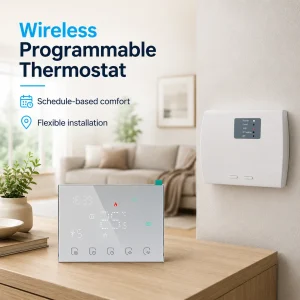
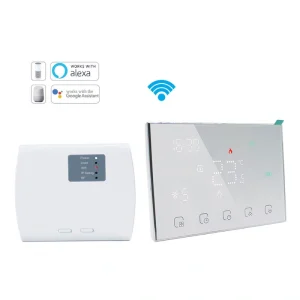
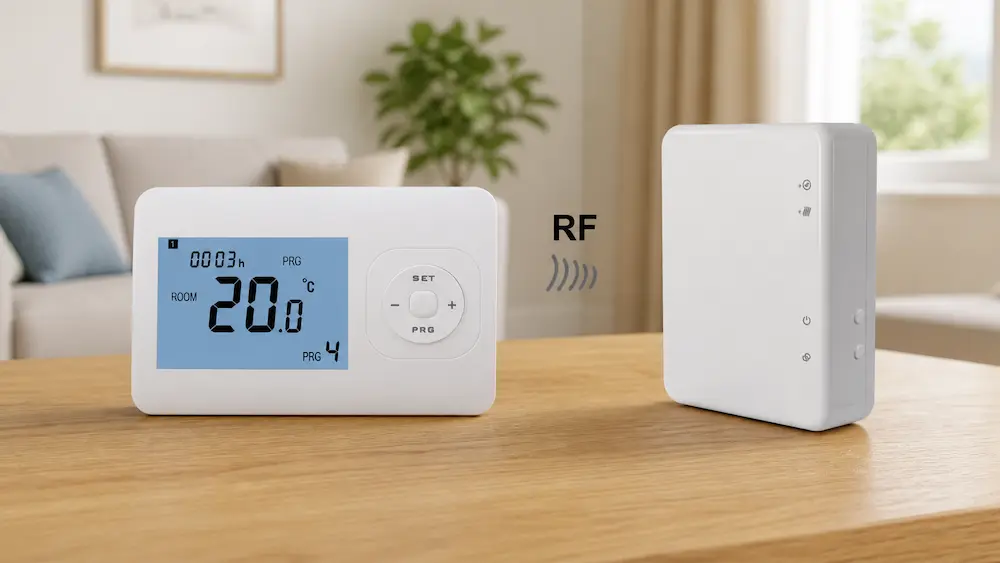
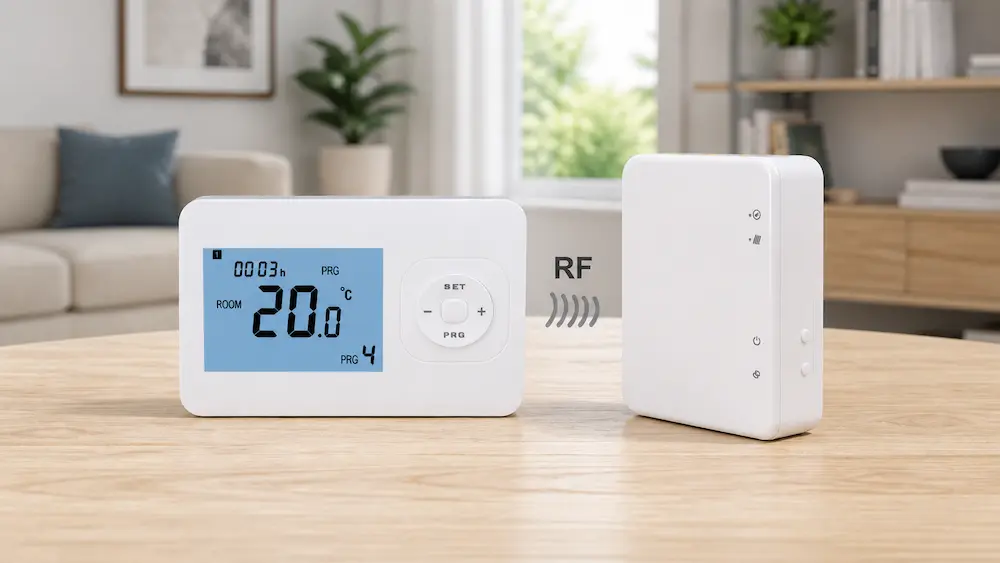
A wireless thermostat has a room unit, a receiver, communication logic, relay output, power supply, pairing method, sensor control, manual, label, and packaging. If one part is weak, the full product experience becomes weak.
Common OEM pain points include:
- Customer complaints after local sale
- Unclear wiring and pairing instructions
- Receiver output not matching the system
- Different product quality between batches
- Logo and label mistakes
- Packaging not suitable for local retail or project sales
- High after-sales pressure from installers
A lower price may look good during quotation. But if the product creates support cost later, the total cost becomes higher. For OEM buyers, the better question is not only “How much is one unit?” The better question is “Can this product protect our brand after it is sold?”
Receiver Matching Protects the Whole OEM Project
The receiver is the most important hidden part in many wireless thermostat projects. The room unit is visible, but the receiver does the actual switching.
If the receiver does not match the HVAC application, the thermostat may look correct but fail in real use. This creates serious pain for OEM buyers, because customers may think the whole product is poor quality.
OEM buyers should confirm:
- Dry contact output for boiler control
- Relay output for valve or load control
- Normally open or normally closed logic
- Receiver power supply
- Relay rating and load type
- Terminal definition
- Application wiring example
For boiler heating, dry contact output is often critical. For valve control, actuator voltage and relay logic must be confirmed. For fan coil or zone control, the buyer must check whether the receiver supports the required control function.
Solution for OEM projects: request a receiver specification sheet before confirming samples. The sheet should show output type, wiring diagram, relay rating, power supply, and suitable applications. This reduces wrong sample selection and avoids later rework. 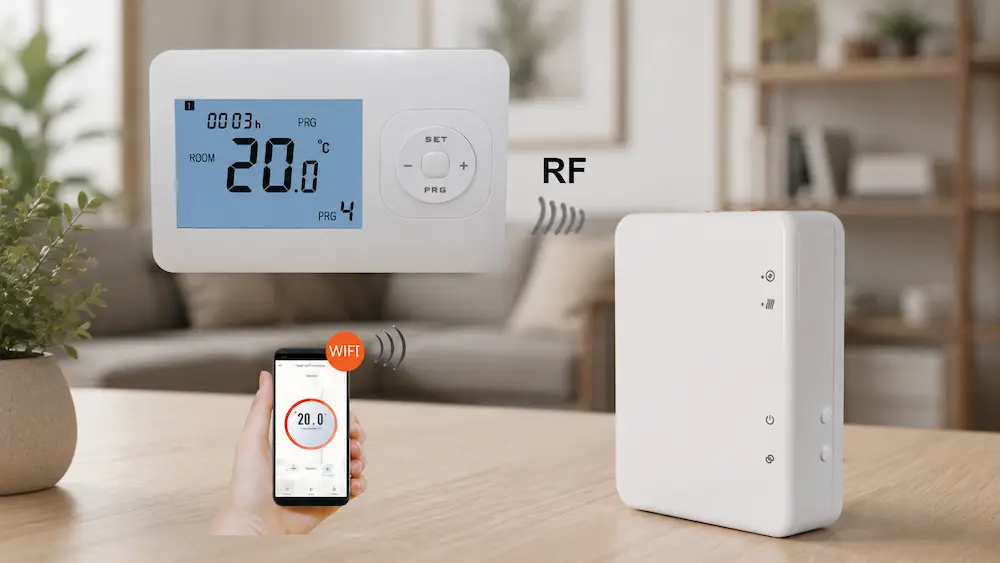
Signal Stability Reduces Customer Complaints
Wireless control depends on stable communication. Signal problems are one of the biggest customer complaint sources.
A user may say, “The thermostat works sometimes.” An installer may say, “The receiver does not respond.” A distributor may say, “We are getting too many returns.” These complaints often start from poor signal conditions or weak product design.
OEM buyers should not only ask for open-area range. They should ask for real indoor performance guidance.
Important checks include:
- Typical indoor range
- Open-area range
- Wall penetration performance
- Receiver placement guidance
- Signal loss behavior
- Reconnection logic
- Pairing stability
For finished homes, villas, apartments, and boiler rooms, wireless distance is not only about meters. Walls, floors, metal cabinets, and electrical rooms can reduce signal.
Solution for OEM buyers: test samples in real building conditions. Do not test only on an office desk. Test through walls, closed doors, and realistic receiver positions. This helps confirm whether the product is suitable for the target market.
Pairing Should Be Simple Enough for Installers
Pairing is a small action, but it can create large after-sales cost. If the pairing process is confusing, installers will call for support. End users may also reset the device by mistake.
This is especially risky for OEM brands. A local customer may not know the original manufacturer. They will contact the local brand owner for help.
Good pairing design should include:
- Clear pairing button or menu
- Visible receiver status indicator
- Simple reset method
- Stable memory after power loss
- Clear manual steps
- One-to-one pairing guidance
- Multi-room installation guidance if needed
For projects with many rooms, pairing mistakes can be expensive. One thermostat may control the wrong receiver. One receiver may not respond. The installer may need to return to the site.
Solution for OEM projects: test the pairing process with a non-engineer before mass order. If a normal installer cannot understand the steps within a short time, the manual or product logic needs improvement.
OEM Branding Must Cover the Complete Kit
Many buyers ask for logo printing only on the thermostat body. This is not enough for a wireless thermostat OEM project.
A wireless thermostat kit may include the room thermostat, receiver, manual, label, packaging box, sticker, barcode, and sometimes mounting accessories. All of these should match the brand presentation.
OEM branding checks include:
- Logo on room thermostat
- Logo or label on receiver
- Model code on both parts
- Private label packaging
- Manual with correct brand name
- Barcode and product sticker
- Warranty card if needed
- Consistent product photos
If the thermostat has one brand but the receiver has another label, installers may become confused. If the manual uses a different model code from the packaging, after-sales support becomes harder.
Solution for OEM buyers: approve a full branding layout before mass production. Do not approve only the front logo. Check the thermostat, receiver, label, manual, packaging, and carton mark together.
Manual Quality Is Part of Product Quality
For OEM projects, the manual is not a small detail. It directly affects installation speed, user satisfaction, and after-sales pressure.
A wireless room thermostat needs a clearer manual than a basic wired thermostat. Users and installers must understand both the room unit and receiver.
A good manual should include:
- Product parts list
- Receiver wiring diagram
- Pairing instructions
- Reset steps
- Battery replacement guidance
- Low-battery warning explanation
- Receiver indicator meaning
- Basic troubleshooting
- Safety notes
Manuals should use simple language. Long technical wording can confuse users. For export projects, clear English or local language versions may be needed.
Solution for OEM buyers: ask for editable manual files before custom order. Review the manual from the installer’s point of view. A good manual can reduce support calls and protect the local brand.
Packaging Should Match the Sales Channel
Packaging is not only about appearance. It affects buyer trust, warehouse management, retail display, and online sales.
Different sales channels need different packaging logic.
| Sales Channel | Main Pain Point | Packaging Focus |
|---|---|---|
| Project supply | Fast identification on site | Clear model label and carton mark |
| Wholesale | Stock management | Barcode, model code, stable packing |
| Retail | Customer trust | Clean box design and clear feature icons |
| Online sales | Return risk | Clear package contents and user guide |
| OEM brand | Brand consistency | Logo, color, manual, label, warranty card |
For wireless thermostat products, the box should make it clear whether the receiver is included. If buyers expect a complete kit but receive only one part, returns and disputes may happen.
Solution for OEM buyers: design packaging around user understanding. Show the room thermostat and receiver clearly if both are included. Keep feature claims simple and accurate.
Batch Consistency Is More Important Than One Good Sample
A good sample does not always mean stable mass production. OEM buyers should think about batch consistency before placing a larger order.
Wireless thermostat consistency includes many parts:
- Same display quality
- Same receiver output logic
- Same wireless performance
- Same relay specification
- Same enclosure material
- Same packaging and label
- Same default parameter setting
- Same manual version
If one batch changes without notice, the OEM buyer may face problems in the local market. Installers may see different wiring labels. Customers may receive different menu logic. Spare parts may not match previous shipments.
Solution for OEM buyers: confirm a golden sample. Keep approved photos, specification sheets, label files, packaging files, and manual versions. Ask the supplier to notify before any change.
Customisation Should Have Clear Boundaries
OEM buyers often ask for many changes. Some are simple. Some affect engineering, certification, or lead time.
Simple OEM options may include:
- Logo printing
- Private label
- Custom box
- Manual adjustment
- Sticker and barcode
- Default parameter setting
More complex changes may include:
- Wireless frequency adjustment
- Receiver output modification
- Firmware menu changes
- New enclosure color
- Different screen icon logic
- New protocol or pairing method
Complex changes may need MOQ, tooling cost, engineering time, and new tests. Buyers should not assume every custom request is easy.
Solution for OEM projects: separate must-have changes from optional changes. Confirm cost, lead time, and technical feasibility before artwork or purchase order approval.
Scientific Data
The data below gives practical reference values for OEM wireless thermostat selection. These values help buyers compare product quality, after-sales risk, and long-term suitability. Actual performance depends on product design, installation conditions, receiver load, wireless environment, and quality control.
| OEM Check Item | Typical Reference Value | Why It Matters |
|---|---|---|
| Indoor wireless range | 20 m to 30 m typical | Supports real home and apartment use. |
| Open-area wireless range | 50 m to 100 m possible | Useful as best-case signal reference. |
| Signal loss through walls | 30% to 70% possible | Important for retrofit and villa projects. |
| Temperature accuracy | ±0.5°C to ±1.0°C | Improves room comfort and reduces complaints. |
| Poor placement error | 2°C to 3°C possible | Manual should explain proper placement. |
| Battery life reference | 6 to 24 months by model | Affects maintenance and user satisfaction. |
| Relay mechanical life | 100,000 to 1,000,000 cycles | Protects long-term receiver reliability. |
| Common relay rating | 3A to 16A by model | Must match boiler, valve, or load control. |
| Quiet room noise reference | 30 dB to 45 dB | Relevant for FCU and room comfort projects. |
| Sample testing quantity | 3 to 10 units recommended | Helps check consistency before bulk order. |
These values show why OEM buyers should test more than one sample. One sample can show design. Several samples can show consistency.
Wireless range should be tested indoors, not only in open area. Signal loss through walls is normal, so real building testing is more useful than a catalogue number.
Relay life and relay rating are also important. If the receiver controls the wrong load, early failure may happen. This creates direct brand damage for OEM buyers.
Battery life affects user satisfaction. If battery replacement is too frequent, customers may think the product is poor quality. Low-battery warning and memory retention should be checked during sample testing.
Sample Approval Should Include More Than Function
Sample approval should not only check whether the thermostat turns on. OEM approval should cover the full product experience.
A complete sample review should include:
- Thermostat appearance
- Receiver appearance
- Wireless pairing
- Signal range
- Receiver wiring
- Relay output
- Battery function
- Manual clarity
- Logo position
- Packaging layout
- Label and barcode
- Carton mark
For OEM buyers, the sample is the reference for mass production. If an issue is ignored at sample stage, it may become expensive after bulk production.
Solution: use a written approval checklist. Confirm each item before mass order. This reduces misunderstanding between buyer and supplier.
Related product categories for project buyers:
Electric Underfloor Thermostat
Practical Cases
Case 1: An OEM buyer selected a low-price wireless thermostat for boiler heating. The sample looked good, but the receiver output did not match the local boiler requirement. After testing, the buyer changed to a dry contact receiver version. This avoided future installation complaints.
Case 2: A distributor approved logo printing on the room thermostat but forgot the receiver label. Installers later could not match the receiver with the thermostat model. The buyer updated the label system before the second order. After that, installation confusion reduced.
Case 3: A brand owner sold a wireless room thermostat online. Customers often asked how to pair the thermostat with the receiver. The product was not defective, but the manual was unclear. After adding pairing diagrams and a quick-start page, support requests decreased.
These cases show that OEM success depends on more than price. It depends on complete product readiness.
Expert Insights
For OEM projects, price is only one part of the decision. The more important question is whether the product can be sold, installed, used, and supported under the buyer’s own brand.
A wireless thermostat has more after-sales touchpoints than a simple wired product. Signal, receiver, pairing, battery, relay output, manual, and packaging all affect the final user experience.
For overseas buyers, a good supplier should provide clear technical files, stable production, reasonable customization, and honest application advice. This is often more valuable than a small price difference.
For manufacturers, supporting OEM buyers means helping them reduce market risk. A strong product package should make the local brand easier to sell and easier to support.
OEM Feature Checklist
| Feature | Customer Pain Point Solved | OEM Buyer Benefit |
|---|---|---|
| Correct receiver output | System does not respond | Fewer installation complaints |
| Stable wireless signal | Control works sometimes | Lower return risk |
| Simple pairing | Installer setup confusion | Lower support cost |
| Clear manual | User does not understand operation | Better brand experience |
| Full kit branding | Receiver and thermostat mismatch | More professional product line |
| Stable batch quality | Different batches behave differently | Better repeat orders |
| Proper packaging | Customer confusion before installation | Stronger local market presentation |
This checklist helps OEM buyers compare suppliers by real business value. The cheapest option is not always the most profitable one. A wireless thermostat that reduces complaints and supports repeat sales often gives better long-term value.
FAQ
1. What matters most when choosing a wireless thermostat for OEM projects?
Receiver matching, wireless signal stability, relay output, pairing process, manual quality, packaging, OEM branding, and batch consistency matter more than price alone.
2. Why is receiver matching important for OEM wireless thermostat orders?
The receiver controls the real HVAC equipment. If the output does not match the boiler, valve, or load, customers may face wrong control or installation failure.
3. Can a wireless room thermostat be customised for OEM branding?
Yes, many models can support logo, label, packaging, manual, barcode, and default parameter customisation, depending on order quantity and technical feasibility.
4. Why should OEM buyers test several samples before bulk order?
Testing several samples helps check consistency, wireless range, receiver output, pairing, battery performance, manual clarity, and packaging quality before mass production.
5. Is the cheapest wireless thermostat the best choice for OEM projects?
No. The cheapest model may create higher after-sales cost if it has weak signal, unclear manuals, poor receiver matching, or unstable batch quality.
For OEM projects, a wireless thermostat should be judged by long-term brand value, not only by unit price. The right wireless room thermostat should solve real customer pain points: difficult installation, unclear pairing, receiver mismatch, unstable signal, weak packaging, and high after-sales cost. OEM buyers should choose a supplier that supports complete product readiness, stable production, and clear technical documentation.
References / Sources
- International Electrotechnical Commission (IEC) — IEC 60730 Automatic Electrical Controls for Household and Similar Use
- Federal Communications Commission (FCC) — Radio Frequency Devices Compliance Guidance
- European Telecommunications Standards Institute (ETSI) — Short Range Devices Technical Guidance
- Radio Equipment Directive (RED) — Wireless Product Compliance Requirements
- UL Standards — Electrical Control and Switching Device Safety References
- CSA Group — Electrical Product Certification and Control Device Guidance
- Intertek — Wireless Product Testing and Certification Resources
- TÜV SÜD — Radio Equipment and Wireless Device Testing Guidance
- ISO 9001 — Quality Management Systems Requirements
- ISTA — Packaging Performance Testing Guidelines
- GS1 — Barcode and Product Identification Standards
- General OEM Product Development and Quality Control References