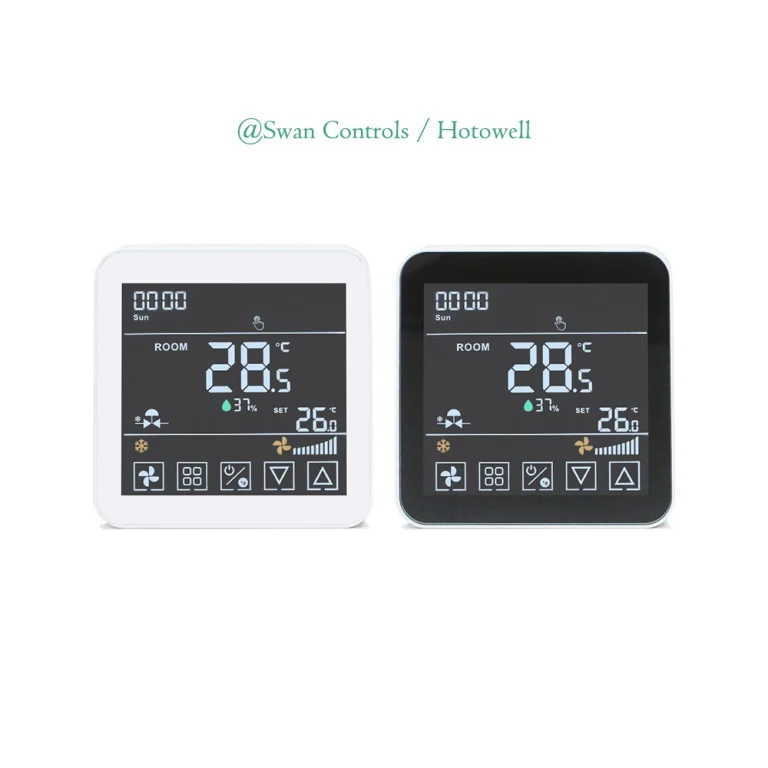
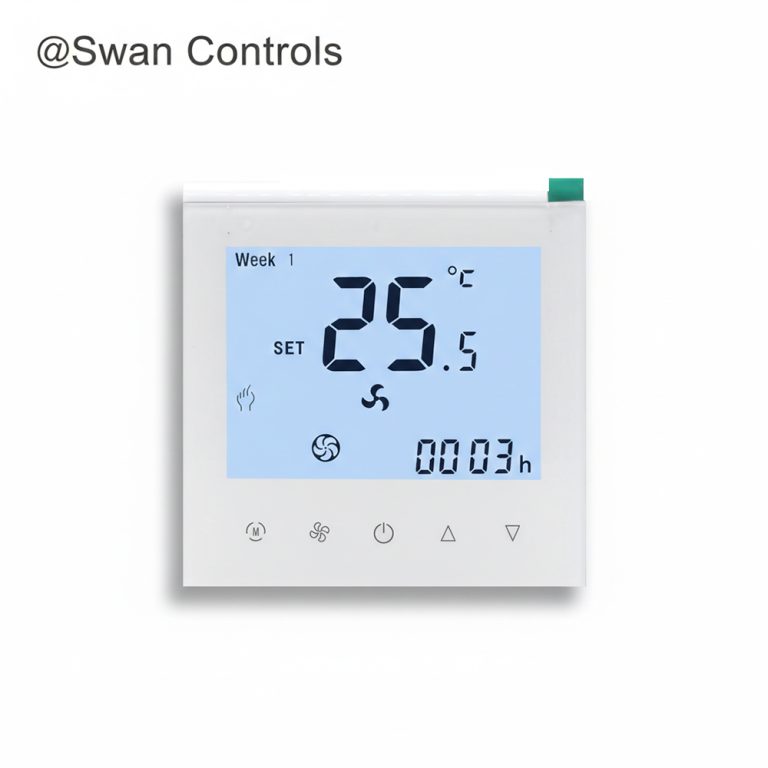
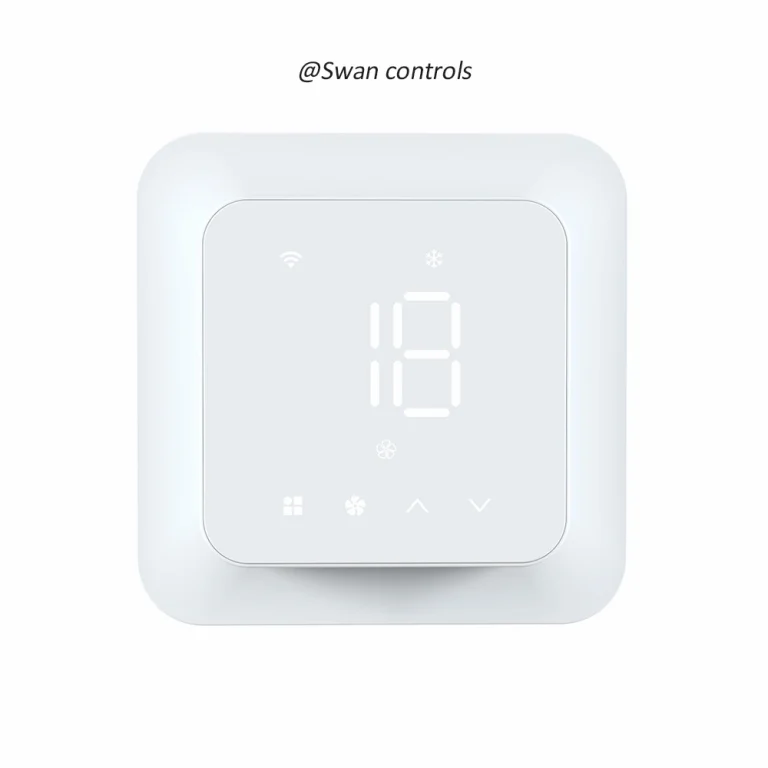
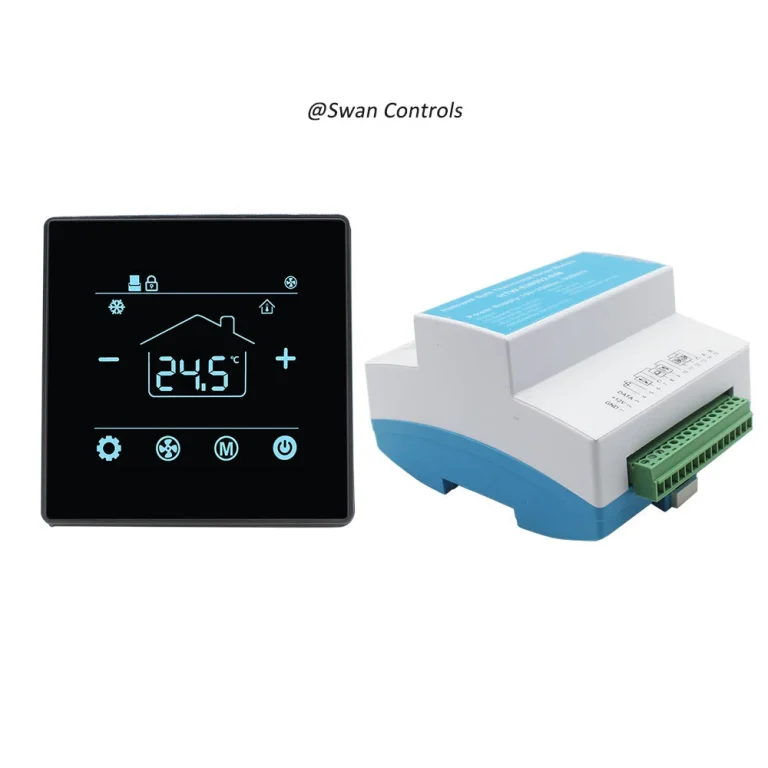
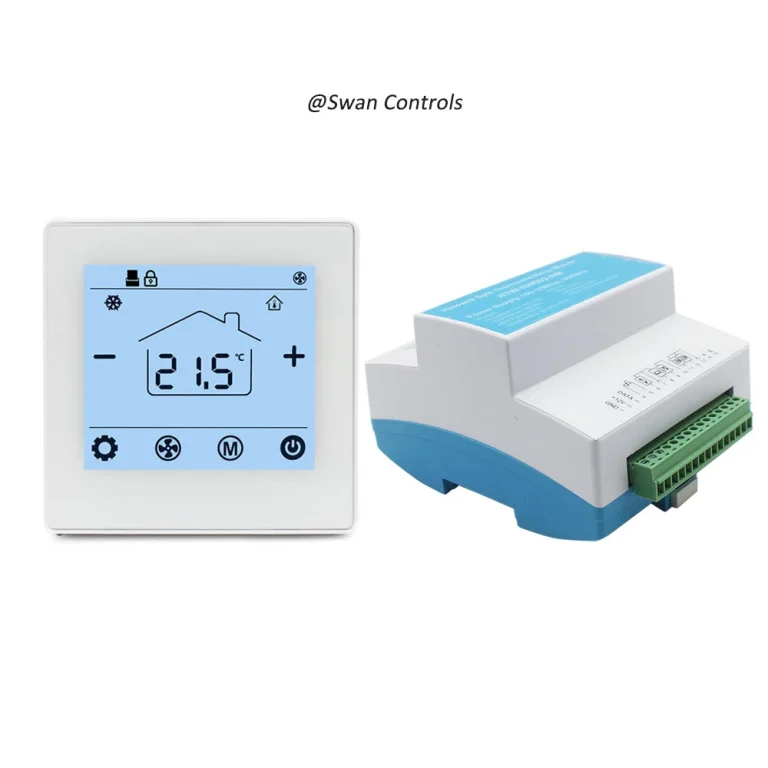
“Can we use the same underfloor heating thermostat for this apartment and this office project?”
“Not always. The right thermostat depends on whether the project is residential or commercial, whether the system is electric or water-based, and whether the thermostat needs to control room temperature, floor temperature, or both.”
That is the point where many buying mistakes begin. An underfloor heating thermostat may look simple on the wall, but the logic behind it is not always simple. In one project, the thermostat mainly needs to protect the floor and provide comfortable daily heating. In another, it needs to support multiple zones, consistent operating logic, easier commissioning, or clearer control behaviour for long-term management. A thermostat that works well in a small residential renovation may not be the best fit for a larger commercial project. A thermostat that looks advanced because it has WiFi may still be the wrong choice if the system type, sensor logic, or control role are not matched properly.
This is why the best buying question is not “Which thermostat has the nicest screen?” The better question is “Which underfloor heating thermostat matches this project type, this heating system, and this control expectation?” Once that question is answered properly, model selection becomes much easier and much more accurate.
Quick Summary: The 4 Checks That Decide the Right Underfloor Heating Thermostat
Most selection mistakes can be reduced by checking four things early. First, is the project residential or commercial? Second, is the heating system electric or water-based? Third, does the thermostat need to control room temperature, floor temperature, or both together? Fourth, does the project really need programmable or WiFi control, or is simple stable control more important? These four checks usually explain more about the right thermostat choice than product appearance alone.
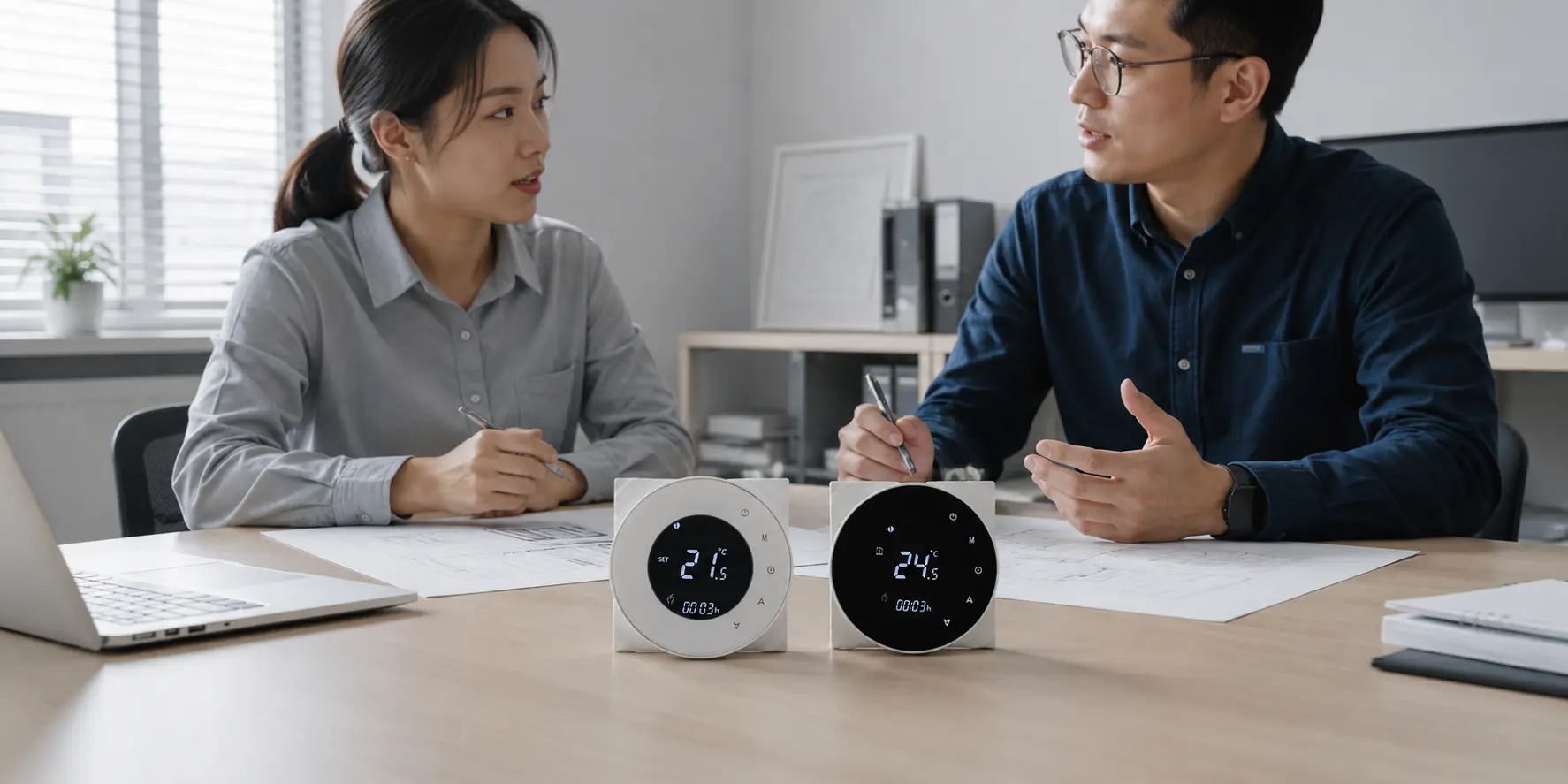
Start with the Project Type: Residential or Commercial?
The first decision should be the project type. Residential and commercial projects often use similar-looking thermostats, but they do not always value the same things.
Residential projects
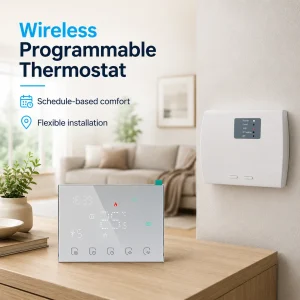
In a residential project, comfort and convenience usually come first. The end user wants the room to feel warm when needed, the floor to feel pleasant underfoot, and the thermostat to be easy to understand. This is why programmable schedules, simple menus, and WiFi thermostat options are often more attractive in apartments, houses, bedrooms, bathrooms, and living areas. A residential buyer often judges the thermostat by how natural it feels in daily life.
Commercial projects
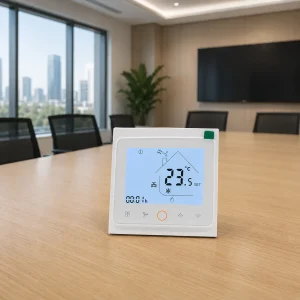
Commercial projects often place more emphasis on consistency, easier system management, and control stability across multiple spaces. In an office, hospitality, or wider commercial environment, it may matter more that the thermostat is easy to set up, easy to repeat across zones, and less likely to create user confusion. Commercial projects may also require a clearer relationship with wider room-control or building-control logic. In that sense, the thermostat is judged less as a daily comfort device and more as a repeatable control component.
That is why buyers should not begin with the product faceplate. They should begin with the building and the control expectation. A thermostat that feels excellent in a flat renovation may not be the strongest choice for a multi-room commercial project, even if the interface looks attractive.
Then Confirm the Heating System: Electric or Water Underfloor Heating
This is the second major filter, and it is one of the most important. An underfloor heating thermostat must first match the heating system type. If that step is skipped, the selection process becomes unreliable very quickly.
Electric underfloor heating uses heating mats or cables connected to electricity. In many cases, the thermostat is directly controlling the electric floor-heating load. Water underfloor heating uses warm water circulating through pipes under the floor. In those systems, the thermostat is usually part of a broader control arrangement involving zones, actuators, manifolds, or water-heating logic. The visible thermostat may look similar in both systems, but the control path is not the same. :contentReference[oaicite:1]{index=1}
| System Type | Typical Project Fit | What the Thermostat Must Handle |
|---|---|---|
| Electric underfloor heating | Renovation, smaller areas, faster installation | Electric load control, floor sensor logic, often direct thermostat control |
| Water underfloor heating | New build, larger areas, system-based heating layout | Zone logic, water-heating control, wider system integration |
For buyers, the conclusion is straightforward. Do not compare underfloor heating thermostats before confirming whether the system is electric or water-based. That single step already removes many wrong options.
Sensor Logic Comes Before Smart Features
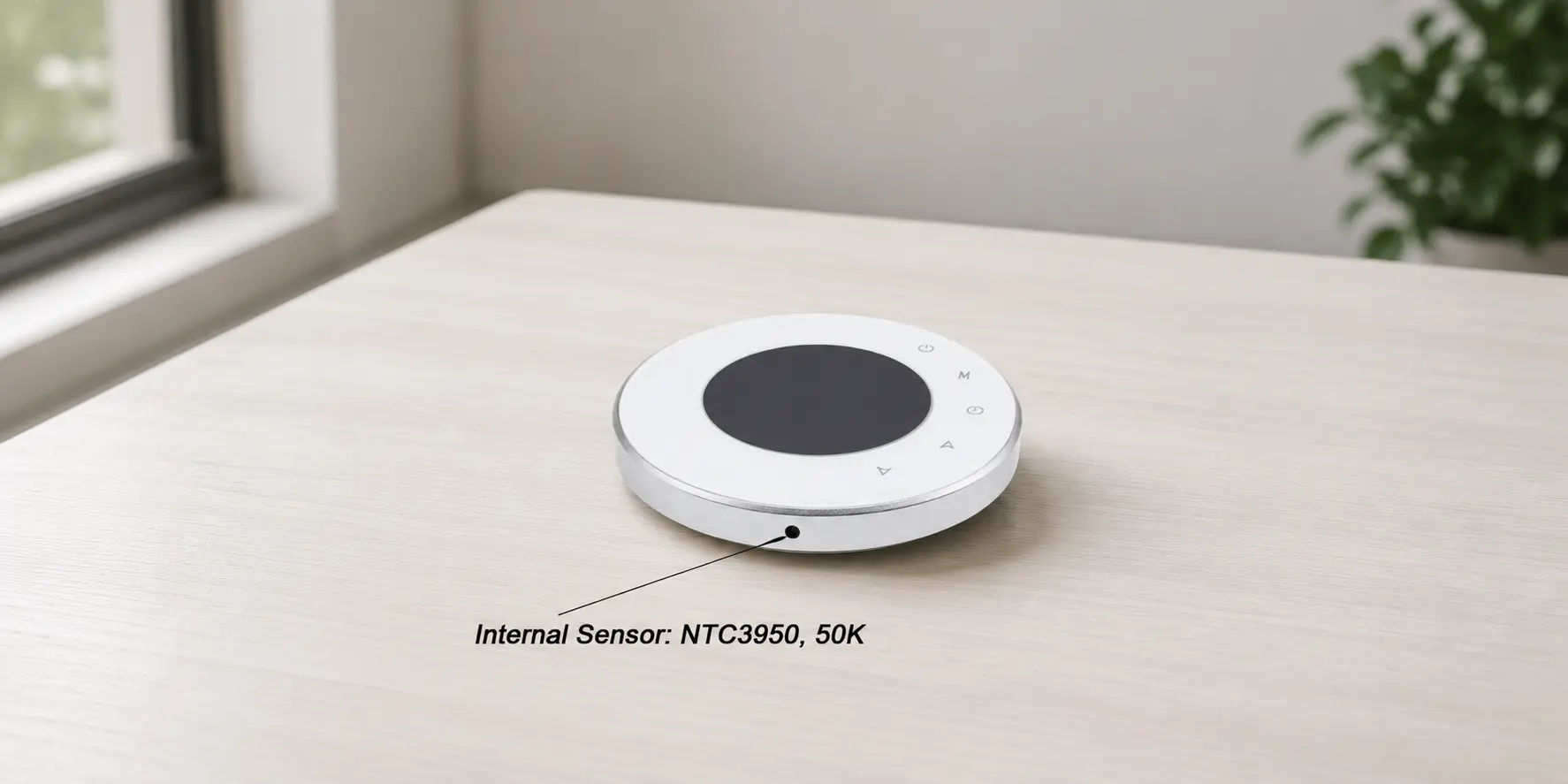
Once the system type is clear, the next question is sensor logic. This is often more important than WiFi, app control, or even the display style. Underfloor heating thermostats may use room air sensing, floor sensing, or a combination of both. The correct choice depends on how the system is supposed to behave in the project.
Floor sensor only
Floor-sensor control is often used when the main concern is floor temperature itself. This is especially important in electric underfloor heating. Some manufacturer documentation states very clearly that electric underfloor heating should not be controlled by built-in air sensor only. Instead, floor sensor control or air-plus-floor control should be used. That makes the floor sensor not an accessory, but a core part of the control strategy. :contentReference[oaicite:2]{index=2}
Air sensor only
Air-sensor control is more similar to a normal room thermostat approach. It focuses on room comfort measured through the air temperature in the space. This can make sense in some heating applications, especially when the floor system is acting more like the main room-heating source. But buyers should be careful not to assume that air-sensor-only logic is suitable for every underfloor heating system, especially in electric floor-heating use. :contentReference[oaicite:3]{index=3}
Air sensor plus floor sensor
In many projects, using both sensors together gives the most balanced result. The room air sensor helps maintain room comfort, while the floor sensor helps keep the floor within a suitable temperature range. This combined control approach is often the most useful when buyers want both pleasant room conditions and sensible floor protection. :contentReference[oaicite:4]{index=4}
This is why sensor logic should be checked before smart features. A thermostat with app control but the wrong sensing logic is still the wrong thermostat.
What Residential Buyers Usually Need
Residential buyers usually value comfort, convenience, and ease of use first. In a home, the user often interacts with the thermostat directly every day. That means the interface should be clear, the schedule should be practical, and the heating response should feel natural rather than technical.
For many home projects, a programmable or WiFi underfloor heating thermostat can be very useful. Schedule control helps the home warm up at suitable times and reduce heating when the space is unoccupied. Remote access can also be attractive, especially in second homes, rental apartments, or busy households. OJ Electronics positions its programmable thermostat around optimal comfort temperature and minimum energy consumption, which reflects exactly the kind of value residential buyers often care about. :contentReference[oaicite:5]{index=5}
But even in residential settings, the thermostat must still match the real heating system. A family may like the idea of a WiFi thermostat, but if the project is electric underfloor heating and requires floor-sensor logic, the WiFi feature should come after that requirement, not before it.
What Commercial Projects Usually Need
Commercial projects usually focus less on daily user interaction and more on consistency, repeatability, and management logic. A thermostat in a commercial environment may need to be deployed across multiple rooms, handed over to facilities teams, or installed by contractors who need a straightforward commissioning process.
This means a commercial underfloor heating thermostat should often be judged by different priorities from a residential one. Clear control logic, easier setup, dependable multi-zone behaviour, and lower risk of user confusion may matter more than app-based convenience. Uponor’s room temperature controls are marketed for both residential and commercial use, and it emphasizes easy setup, installation efficiency, and broad suitability for different project types. That is exactly the kind of thinking that commercial buyers should use. :contentReference[oaicite:6]{index=6}
In commercial work, the “best” thermostat is often the one that reduces operational friction. It may not be the most feature-rich product. It may be the one that keeps multiple rooms working in a stable and understandable way.
Primary Heating or Secondary Heating?
This question is often missed, but it is very important. Underfloor heating can act as a primary heating source or as a secondary comfort source. That changes what the thermostat should prioritize.
If the underfloor heating is mainly a comfort layer, for example in a bathroom or a smaller renovation zone, buyers often lean toward floor-temperature-led control. In these situations, the feeling of the floor itself matters strongly. If the underfloor heating is intended to be the main source of room heating, then room comfort control becomes more central, and air sensing may matter more. Some thermostat guidance in the market reflects exactly this distinction. :contentReference[oaicite:7]{index=7}
This does not mean one method is always right and the other always wrong. It means the project should first decide what kind of heating role the floor system is playing. The thermostat choice should follow that decision.
Should You Choose a Programmable or WiFi Underfloor Heating Thermostat?
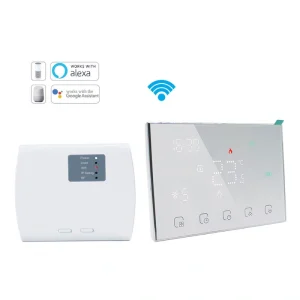
Programmable and WiFi thermostats are often very useful, but they should be treated as control upgrades rather than the basic definition of the product. A programmable thermostat helps structure heating around a daily or weekly schedule. A WiFi thermostat adds app access, remote control, and easier user-side adjustments. These are strong benefits in many projects. Warmup and OJ Electronics both position this kind of control around convenience and efficient comfort management. :contentReference[oaicite:8]{index=8}
In residential projects, WiFi can add obvious value because the homeowner directly benefits from easier scheduling and remote changes. In commercial projects, the value depends more on how the building is actually managed. If the building does not need app-level user interaction, or if a simpler multi-zone control structure is more important, then WiFi may not be the first feature to prioritise.
So the right question is not “Should this thermostat have WiFi?” The better question is “Will WiFi improve the actual control experience in this project?”
Real Product Paths for Different Project Types
Different product directions make sense for different underfloor heating thermostat projects. That is why the best selection approach is not to ask which thermostat is best in general, but which thermostat path fits the project type most naturally.
Basic electric underfloor heating thermostat
For a straightforward electric floor-heating project, a product such as the LCD Screen Electric Underfloor Heating Thermostat can be evaluated from the viewpoint of basic electric heating control rather than from added smart features.
Residential WiFi thermostat direction
For residential users who want convenience and app access, a product such as the Tuya WiFi Electric Underfloor Heating Thermostat can suit the project better because user experience and remote control matter more.
External floor sensor electric heating projects
Where floor sensor logic is especially important, a product such as the 16A Room Electric Underfloor Heating Thermostat with External Sensor or the 16A WiFi Electric Underfloor Heating Thermostat with External Sensor highlights why sensor support should lead the discussion.
Water or boiler-linked heating reference
For projects that are really closer to water-heating or boiler-linked room control, a product such as the CE 3A Water Gas Boiler Heating Thermostat provides a useful control reference. It reminds buyers that not every thermostat with a heating label belongs in the same category of underfloor heating use.
Common Mistakes Buyers Make When Choosing an Underfloor Heating Thermostat
- Choosing by screen appearance before confirming system type.
- Not separating electric and water underfloor heating at the start.
- Ignoring floor sensor requirements in electric floor-heating projects.
- Assuming WiFi means better control in every project.
- Using residential convenience logic in a commercial control project.
- Forgetting whether the system is primary heating or secondary heating.
- Assuming any room thermostat can act as an underfloor heating thermostat.
These mistakes are common because thermostat products often look similar across categories. But in underfloor heating, the control role matters more than many buyers first expect.
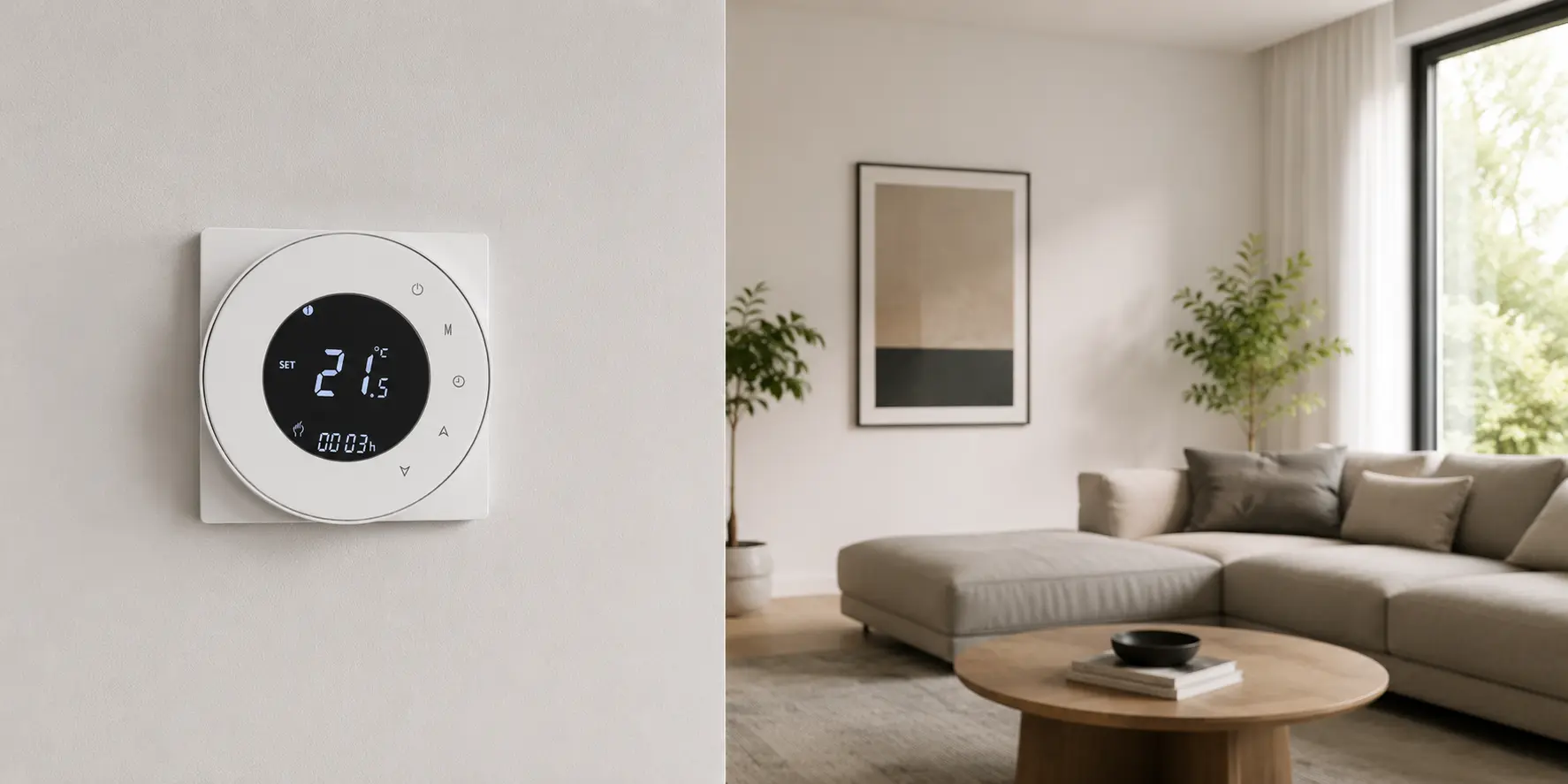
Expert Commentary: The Right Underfloor Heating Thermostat Is the One That Matches the Control Role
The strongest way to choose an underfloor heating thermostat is to think in layers. First layer: residential or commercial project. Second layer: electric or water system. Third layer: floor sensor, air sensor, or both. Fourth layer: basic, programmable, or WiFi control. When buyers move in that order, the right thermostat usually becomes much clearer.
We support thermostat projects for electric underfloor heating, WiFi floor heating control, water heating, boiler-linked heating, and broader room-control environments where the right sensor logic matters as much as the thermostat design. In real project work, a thermostat that matches the heating role will usually outperform a thermostat that only looks more modern.
Scientific Data and What It Means
Technical market guidance makes several practical points clear. High heat-loss rooms may require higher wattage electric underfloor heating solutions, which means thermostat choice should not be separated from the real heating requirement of the room. Water underfloor heating systems also operate differently from traditional high-temperature emitters, so thermostat expectations should match that softer system behaviour. And in electric floor-heating control, some thermostat documentation makes it very clear that air sensor only should not be used by itself. These are not small technical details. They are the foundation of correct thermostat selection. :contentReference[oaicite:9]{index=9}
Real-World Cases and User Feedback
Case 1: Residential electric UFH project with external floor sensor
A buyer first looked only at display style and WiFi. Later, the discussion shifted to the real need: external floor-sensor logic for electric underfloor heating. Once that was clear, the shortlist changed and the project became easier to define.
Case 2: Commercial multi-room control project
Another project originally looked for a more advanced interface. After review, the more important need turned out to be repeatable control across multiple spaces and easier setup for installers. The final selection focused more on consistency than on screen appearance.
Case 3: WiFi convenience project
In a residential project, the user specifically wanted easier schedule changes and remote control. In that case, WiFi thermostat value was genuine because it improved the daily use experience, not just the specification sheet.
User feedback pattern: People rarely complain that the thermostat was too carefully matched to the project. They usually complain when the thermostat looked right but the control result did not match the real heating role.
Frequently Asked Questions
1. How do I choose the right underfloor heating thermostat?
You should first confirm whether the project is residential or commercial, whether the system is electric or water-based, and whether the thermostat needs floor sensing, room sensing, or both. After that, you can decide whether programmable or WiFi features are actually useful.
2. Is an underfloor heating thermostat different from a room thermostat?
Yes. A room thermostat usually focuses on room air temperature, while an underfloor heating thermostat may need to control room temperature, floor temperature, or both depending on the heating system.
3. Do I need a floor sensor for electric underfloor heating?
In many electric underfloor heating projects, yes. Floor sensor logic is often important because electric floor heating should not usually rely on built-in air sensor only.
4. What is the difference between commercial and residential underfloor heating thermostat selection?
Residential projects usually focus more on comfort, convenience, and user-friendly control. Commercial projects usually focus more on consistency, easier setup, and better control structure across multiple spaces.
5. Is a WiFi thermostat worth it for underfloor heating?
It can be, especially in residential projects where remote access and scheduling are useful. But WiFi should be treated as a control upgrade, not as the first requirement before system type and sensor logic are confirmed.
References / Sources
- Warmup, Which Underfloor Heating System Is Best for Me?
- Heatmiser, DT-ETS / DT-ENTS Manual
- Heatmiser, Heatmiser SmartStat Manual
- Uponor, Room Temperature Controls
- Uponor, Wired Room Temperature Control 230 V
- OJ Electronics, UDG Programmable Thermostat
- Warmup, Choosing the Best Underfloor Heating Thermostat
- Warmup, Understanding Your Underfloor Heating Control Options
- Wikipedia, Underfloor heating
- Wikipedia, Thermostat